Fuel Protests Bring Ireland to a Standstill as Gas Stations Run Dry
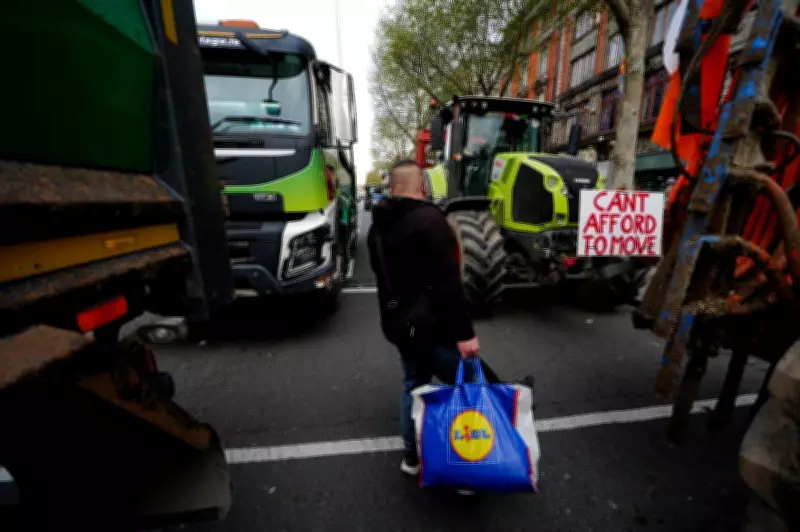
Ireland is facing widespread disruption as ongoing fuel protests have left more than a third of the nation's service stations without fuel. The demonstrations, which began earlier this week, are a direct response to soaring fuel prices that have burdened consumers and businesses alike. Protesters have taken to the streets, blocking major roads and causing significant traffic delays in cities such as Dublin, where the impact is most acutely felt.
Escalating Demonstrations and Economic Strain
The protests have escalated rapidly, with organizers calling for immediate government intervention to address the rising costs of diesel and gasoline. In Dublin, scenes of vehicles parked along O'Connell Street and other key thoroughfares have become commonplace, as demonstrators voice their frustration over what they describe as unsustainable price hikes. The Irish government has acknowledged the protests but has yet to announce concrete measures to alleviate the crisis, leading to fears of prolonged shortages and economic fallout.
Economic analysts warn that the fuel shortages could have ripple effects across various sectors, including transportation, logistics, and retail. Many businesses are already reporting delays in deliveries and increased operational costs, compounding the challenges posed by inflation and other economic pressures. The protests highlight broader concerns about energy affordability and security in Ireland, a nation heavily reliant on imported fuels.

Public Response and Safety Concerns
Public sentiment appears largely supportive of the protests, with many citizens expressing solidarity online and in person. However, there are growing concerns about safety and accessibility, as emergency services and essential workers face obstacles in navigating blocked roads. Authorities have urged protesters to allow passage for ambulances and other critical vehicles, but compliance has been inconsistent, leading to tense standoffs in some areas.
Local residents have reported difficulties in accessing basic services, with some gas stations imposing rationing or closing entirely due to depleted supplies. The Irish Petrol Retailers Association has issued statements calling for calm and dialogue, emphasizing the need for a swift resolution to prevent further disruption. Meanwhile, opposition politicians are criticizing the government's handling of the situation, accusing it of being slow to respond to the escalating crisis.
Looking Ahead: Potential Resolutions and Long-Term Implications
As the protests enter their second week, all eyes are on government officials to propose solutions that address both immediate shortages and long-term fuel price stability. Options under discussion include temporary tax relief on fuels, subsidies for affected industries, and investments in renewable energy alternatives to reduce dependency on fossil fuels. However, any measures will require careful balancing to avoid exacerbating budget deficits or undermining environmental goals.
The situation in Ireland serves as a stark reminder of the vulnerabilities in global energy markets and the social tensions that can arise from price volatility. With similar protests emerging in other European nations, the Irish case may influence broader policy debates on energy security and consumer protection. For now, the nation remains gripped by uncertainty, as drivers queue for dwindling fuel supplies and protesters vow to continue their demonstrations until meaningful action is taken.