French Energy Giant Commits to Developing Nova Scotia's Offshore Wind Talent Pipeline
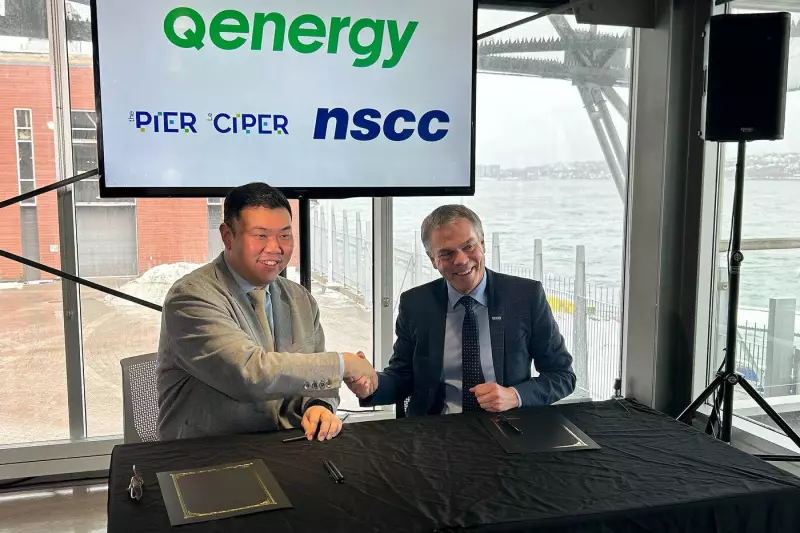
In a significant move for Atlantic Canada's renewable energy ambitions, French energy company Q Energy France has formally pledged its expertise to help train Nova Scotia workers for the province's burgeoning offshore wind sector. The commitment was solidified through a memorandum of understanding signed in Halifax on January 22, 2026.
Strategic Partnership for Skills Development
The agreement brings together Q Energy France, represented by CEO Junu Lee, with the Nova Scotia Community College (NSCC) and The Pier research hub. This collaborative framework aims to create specialized training programs that will equip local workers with the technical skills required for offshore wind farm construction, operation, and maintenance.
This partnership represents a direct investment in human capital, aligning with Nova Scotia's strategic goals to become a leader in clean energy production. The offshore wind sector is poised for substantial growth along Canada's Atlantic coast, and developing a skilled domestic workforce is seen as critical to capturing the full economic benefits of this emerging industry.

Addressing the Skills Gap in Renewable Energy
The collaboration addresses a pressing challenge facing many regions transitioning to green energy: the skills gap. Offshore wind projects require a unique blend of maritime, engineering, electrical, and safety competencies that are not always readily available in traditional labor markets.
"This initiative is about building capacity from the ground up," said Don Bureaux, President of NSCC. "By working with an international leader like Q Energy France, we can ensure our training programs meet global industry standards and prepare Nova Scotians for high-quality, sustainable jobs."
The training programs developed through this partnership are expected to include:
- Technical certifications for offshore wind turbine technicians
- Safety and survival training for marine-based energy work
- Specialized courses in electrical systems and grid integration
- Project management training for renewable energy developments
Economic Implications for Nova Scotia
This skills development initiative comes at a pivotal time for Nova Scotia's economy. The province has identified offshore wind as a key component of its energy transition and economic diversification strategy. A trained local workforce not only supports project development but also encourages further investment by demonstrating regional capability and readiness.
The partnership with Q Energy France, a company with extensive experience in European offshore wind markets, provides Nova Scotia with access to international best practices and technological expertise. This knowledge transfer is expected to accelerate the province's learning curve in offshore wind development.
The memorandum of understanding represents more than just a training agreement; it signals growing international confidence in Nova Scotia's potential as a renewable energy hub. As global demand for clean energy solutions intensifies, such partnerships position the province to compete effectively in the emerging green economy while creating sustainable employment opportunities for its residents.