Ontario Premier Calls for Consumer Boycott of Chinese Electric Vehicles
Ontario Premier Doug Ford has made a direct appeal to Canadian consumers, urging them to boycott Chinese-made electric vehicles when they return to the Canadian market. The premier's call to action comes amid growing concerns about manufacturing practices and the potential impact on Canada's domestic auto industry.
Dispute Over Federal Trade Deal
Ford's boycott appeal represents a significant escalation in his ongoing dispute with Prime Minister Mark Carney over recent trade negotiations with China. The federal government recently struck a deal with Chinese President Xi Jinping that saw 100% import tariffs on Canadian canola mostly dropped in return for improved access to China's electric vehicle market.
The Ontario premier has been openly critical of this agreement, expressing concerns about potential repercussions for the province's beleaguered auto sector. Ford emphasized that there was no warning from Carney about the impending deal, leaving provincial officials and industry leaders unprepared for the consequences.

Direct Appeal to Consumers
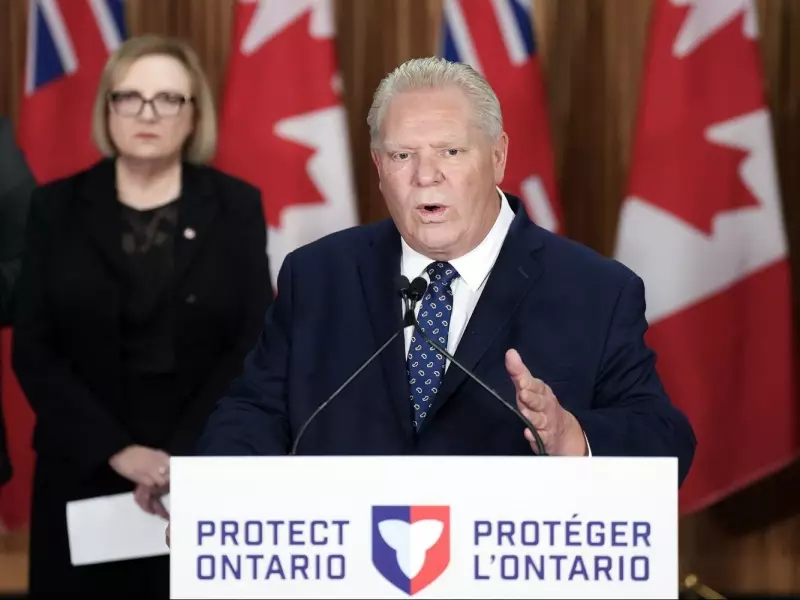
"Boycott the Chinese EV vehicles," Ford stated during a news conference at Queen's Park in Toronto. "Support companies that are building vehicles here. It's as simple as that."
The premier made his appeal during a Wednesday news conference that included the heads of the Canadian Vehicle Manufacturers' Association and the Automotive Parts Manufacturers' Association, as well as Unifor's national president Lana Payne. This united front demonstrates the seriousness of industry concerns about Chinese electric vehicle imports.
Manufacturing Presence Concerns
Ford expressed deep skepticism about whether Chinese companies plan to establish meaningful manufacturing operations in Canada, despite Carney's claims to the contrary. "China will never, ever—and this will go on record—open up a manufacturing facility," Ford declared at a separate event on Monday.
Unifor national president Lana Payne echoed these concerns, noting that Carney's deal allows for an annual import quota of 49,000 Chinese vehicles. "Given China's massive, and I say massive, overcapacity in EV production, there is little reason for those companies to establish real and meaningful manufacturing operations in our country," Payne stated.
Broader Industry Challenges
The call for a boycott comes at a particularly challenging time for Canada's auto sector. The industry has already been significantly impacted by tariffs imposed by U.S. President Donald Trump, who has prioritized returning manufacturing jobs to the United States at the expense of other nations.
Additionally, the former Justin Trudeau government implemented a 100% tariff on Chinese-made electric vehicles in 2024 over concerns about market flooding, which led to retaliatory tariffs on Canadian canola. This historical context adds complexity to the current trade situation.
Economic Implications
Flavio Volpe, president of the Automotive Parts Manufacturers' Association, warned that Canadian auto manufacturing jobs are now on even shakier ground. The combination of existing challenges and new competition from Chinese electric vehicles creates what industry leaders describe as a perfect storm for domestic manufacturers.
The premier's boycott call represents a significant political stance on international trade and domestic manufacturing priorities. As electric vehicles become increasingly important in the global automotive market, this dispute highlights the tension between international trade agreements and domestic industrial policy.
Ford's position emphasizes protecting Canadian jobs and manufacturing capabilities while questioning the long-term benefits of trade agreements that may favor foreign manufacturers over domestic producers. The outcome of this consumer appeal could have significant implications for both the Canadian auto industry and international trade relations.