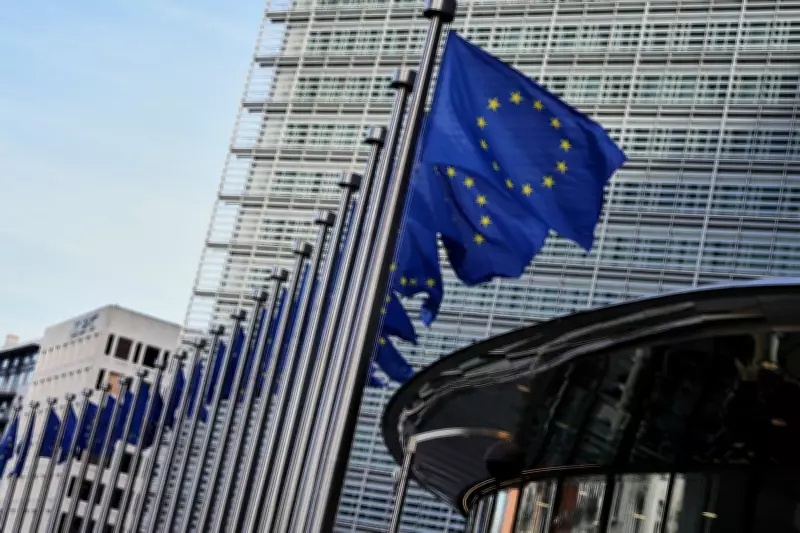
The European Union is in a frantic race against time to implement a comprehensive strategy aimed at containing the spiraling energy costs that have been directly exacerbated by the ongoing war in the Middle East. With global oil and gas markets experiencing severe volatility, EU officials are pulling every lever available to shield member states' economies and consumers from the worst of the financial fallout.
Immediate Crisis Response and Market Stabilization
High-level emergency meetings have been convened across Brussels as policymakers grapple with the dual challenge of securing energy supplies and preventing economic stagnation. The conflict has disrupted key transportation routes and threatened production, sending shockwaves through international energy markets that Europe heavily depends upon. This situation has forced the EU to reconsider its strategic energy reserves and accelerate diversification efforts.
Coordinated Measures Across Member States
In response, a multi-faceted approach is being deployed. This includes potential caps on wholesale energy prices, increased subsidies for vulnerable households and industries, and intensified diplomatic outreach to alternative energy suppliers. The goal is to create a unified front to prevent individual member states from taking unilateral actions that could undermine the collective market. Furthermore, there is a renewed push to fast-track investments in renewable energy infrastructure as a long-term buffer against such geopolitical shocks.

Long-Term Strategic Shifts
Beyond immediate crisis management, this episode is catalyzing a profound re-evaluation of the EU's energy security doctrine. The bloc's historical reliance on external energy sources is now seen as a critical vulnerability. Discussions are intensifying around boosting domestic production, including controversial debates on nuclear energy and natural gas, while simultaneously adhering to climate commitments.
The economic implications are vast, with analysts warning that prolonged high energy costs could trigger inflation, reduce industrial competitiveness, and slow down the post-pandemic recovery. The EU's ability to navigate this crisis will be a critical test of its cohesion and its capacity for swift, effective policymaking in the face of global instability.