European Union Explores Canadian and Qatari Gas to Reduce U.S. LNG Dependence
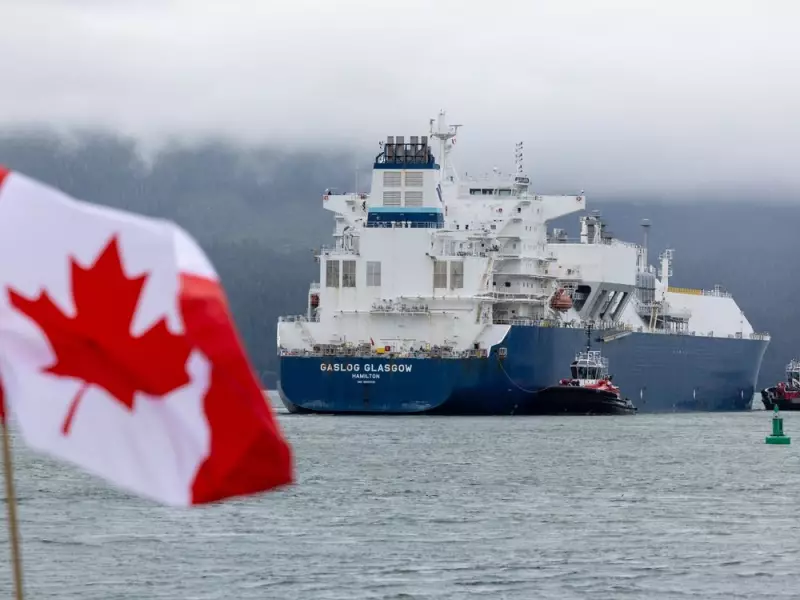
The European Union's energy chief has revealed that the bloc is actively seeking to diversify its liquefied natural gas (LNG) sources, with particular interest in supplies from Canada and Qatar. This strategic shift comes amid growing concerns about Europe's heavy reliance on United States LNG exports, which currently account for more than half of the region's supply.
Geopolitical Concerns Prompt Energy Reassessment
Energy Commissioner Dan Jorgensen described recent developments as a "wake-up call" for the European Union. The bloc's concerns have intensified following former President Donald Trump's threats regarding Greenland and his broader approach to international relations. These geopolitical tensions have forced European leaders to reconsider their energy security strategy across multiple sectors.
"We are speaking to countries around the world that are able to deliver LNG to us," Jorgensen stated during a press briefing in Brussels. "I definitely hear this when speaking to energy ministers and heads of state from all over Europe that there is a growing concern."

Canada's Parallel Diversification Efforts
Coincidentally, Canada is pursuing its own diversification strategy for natural gas exports. Energy Minister Tim Hodgson recently announced that Canada aims to reduce its dependence on the U.S. market, where 98 percent of its energy exports currently go.
"We will never use our energy for coercion," Hodgson declared at an international conference in India. "Canada used to provide 98 percent of its energy exports to a single country. We are committed to diversifying."
Multiple Supply Sources Under Consideration
The European Union's diversification plan extends beyond Canada and Qatar to include potential supplies from North African nations. Jorgensen confirmed that he will be meeting with possible LNG suppliers in the coming weeks to explore these alternatives.
This strategic pivot occurs as the EU continues to phase out Russian LNG imports, which still constitute approximately 15 percent of the bloc's supply. The move represents a significant shift in European energy policy following last year's trade agreement that committed the EU to purchasing $750 billion worth of American energy products.
International Reactions and Market Implications
Kremlin spokesman Dmitry Peskov commented on the EU's strategy, suggesting that by rejecting Russian pipeline gas and LNG, European countries are limiting their options and increasing dependence on a small number of suppliers, primarily the United States. Peskov noted that American gas comes "at a very high price," highlighting the economic considerations behind Europe's diversification efforts.
The European Union's exploration of Canadian and Qatari gas supplies represents a significant development in global energy markets, potentially reshaping trade patterns and strengthening energy security partnerships across the Atlantic and beyond.