European Union Moves to Diversify LNG Sources Away from United States
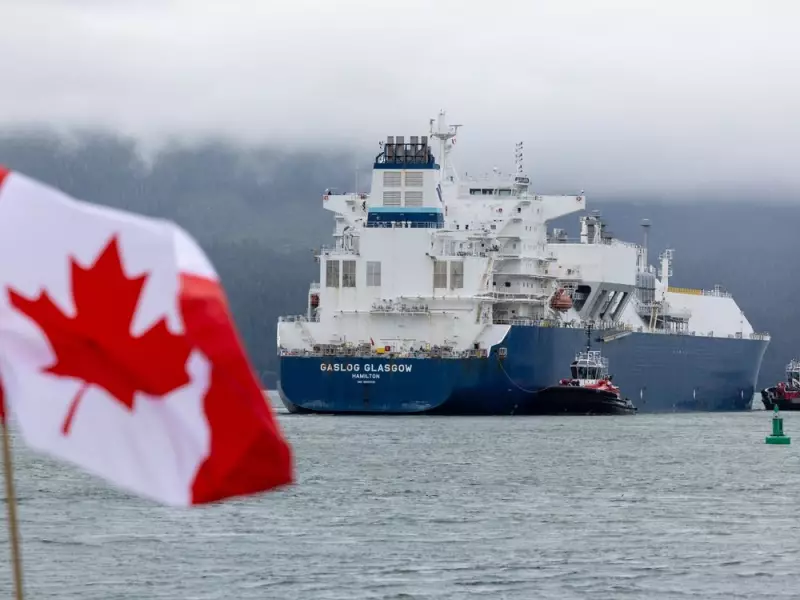
The European Union's energy leadership has expressed growing apprehension regarding the bloc's heavy reliance on United States liquefied natural gas (LNG), prompting a strategic shift toward alternative suppliers like Canada and Qatar. This reassessment comes in the wake of geopolitical uncertainties, including former President Donald Trump's controversial statements about Greenland.
A Strategic Wake-Up Call for European Energy Security
Energy Commissioner Dan Jorgensen described recent developments as a significant "wake-up call" for the region, which currently depends on the United States for more than half of its LNG imports. Speaking in Brussels, Jorgensen emphasized that this dependence has become a point of concern among European energy ministers and heads of state, driving the bloc to explore more diversified supply chains.
The EU's proactive approach involves engaging with multiple global partners capable of delivering LNG. "We are speaking to countries around the world that are able to deliver LNG to us," Jorgensen stated, highlighting ongoing discussions with potential suppliers from Canada, Qatar, and North African nations.

Canada's Parallel Push for Export Diversification
This European initiative aligns with Canada's own ambitions to broaden its energy export markets beyond the United States. Canadian Energy Minister Tim Hodgson recently articulated this strategy, noting that Canada historically directed 98 percent of its energy exports to a single market. "We are committed to diversifying," Hodgson affirmed at an international conference, underscoring Canada's pledge not to use energy resources as tools of coercion.
Jorgensen confirmed that he plans to meet with potential LNG suppliers in the coming weeks, indicating that formal negotiations could accelerate soon. This bilateral interest creates a mutual opportunity for both the EU and Canada to strengthen energy ties and reduce respective dependencies.
Geopolitical Context and Market Implications
The EU's strategic pivot is partly a response to Trump's geopolitical maneuvers, including his expressed interest in Greenland and associated threats, which have compelled Europe to reevaluate its transatlantic relationships across multiple sectors, including defense and energy. Although a previous trade agreement committed the EU to purchasing substantial American energy, current dynamics are fostering a more cautious approach.
Furthermore, the EU continues to navigate its energy transition away from Russian supplies, with approximately 15 percent of its LNG still sourced from Moscow under a phased reduction plan. Kremlin spokesman Dmitry Peskov criticized this strategy, arguing that by rejecting competitively priced Russian gas, European nations are making themselves dependent on a limited number of alternatives, primarily the United States, which often sells at premium rates.
The convergence of these factors—geopolitical tensions, market diversification goals, and energy security priorities—illustrates a complex landscape where the EU is methodically seeking to balance reliability, cost, and strategic autonomy in its energy procurement.