Epcor is proposing a streamlined performance framework for its next four-year cycle, removing internal safety protocols as a formal measure while emphasizing customer outcomes. The updated framework, which will be finalized in November for approval next year, was presented to Edmonton's utility committee on Monday.
Key Changes in Performance Metrics
Carmen Piercey, Epcor's executive director of regulatory and strategic planning, told the committee that the new framework places greater focus on measures that directly affect customer outcomes. Although the safety category has been eliminated from the public scorecard, she stressed that employee safety remains a top priority internally.
The proposed changes come as part of a broader update to Epcor's water services bylaw, which the committee approved on Monday. The bylaw now includes explicit definitions and rules for recycled water services and clarifies the definition of potable water.

Past Performance and Challenges
Over the past four years, Epcor exceeded expectations in all scoring categories except one: the amount of broken-down solid waste removed from the Goldbar lagoon fell slightly short of targets due to operational difficulties. Operating expenses were higher than anticipated, but these were offset by higher-than-expected revenue.
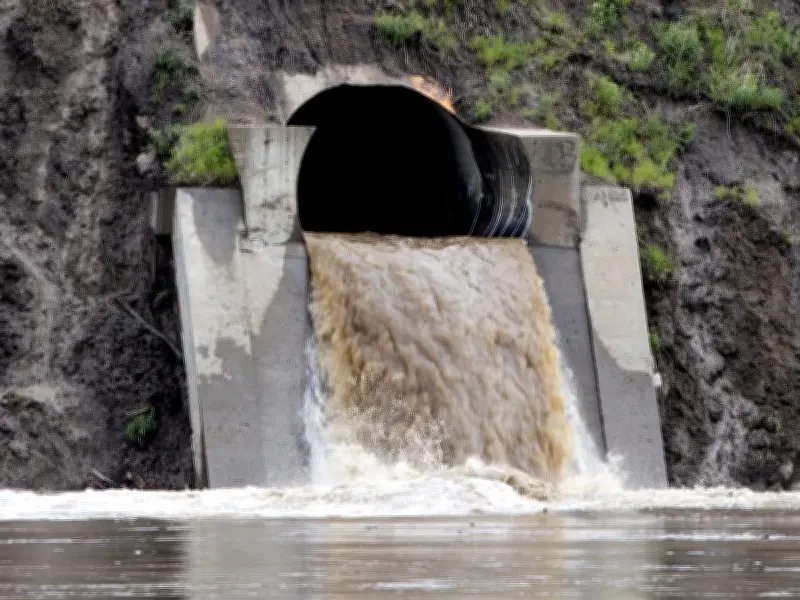
Demand for water services grew more than forecast in 2020, when COVID-19 was expected to limit population growth. Increased density from secondary suites and infill properties in Edmonton's inner city has contributed to rising demand. Despite this, water quality in effluent returned to the North Saskatchewan River surpassed Epcor's targets.
Infrastructure and Climate Adaptation
Utility advisor Jim Beckett noted that Edmonton's population surge has not strained the system. Epcor linear asset director Tina Yanitski reported 310 water main breaks in 2025, with 30% occurring in February. The break rate remains low, with the worst-performing areas still relying on aging cast-iron pipes.
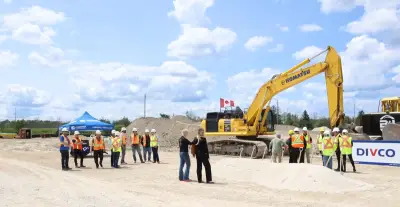
In response to climate change-driven weather events, Epcor is expanding stormwater management infrastructure, including more catch basins to prevent basement flooding and reduce pressure on the sewage network. The utility invested $158 million in water treatment last year. Two major plants—E.L. Smith and Rossdale—are undergoing construction to protect against high-water events on the North Saskatchewan River. The E.L. Smith plant is expected to be safeguarded against a one-in-500-year flood by the end of the year, while Rossdale's upgrades are scheduled for completion in 2027.