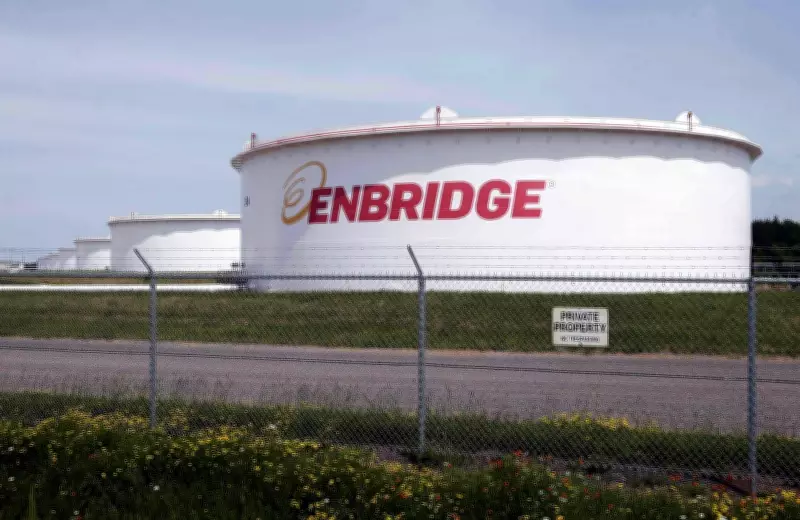
Enbridge's Proposal to Fund U.S. Pipeline Policing Costs Draws Scrutiny
The energy giant Enbridge has put forward a plan to finance policing expenses associated with a pipeline reroute project in the United States, a move that has raised significant concerns among various stakeholders. This proposal involves the company directly covering costs for law enforcement activities related to the pipeline's construction and maintenance, sparking a broader debate about corporate influence on public safety operations.
Details of the Funding Initiative
Under the proposed arrangement, Enbridge would allocate funds to support policing efforts along the rerouted pipeline corridor. This includes expenses for security patrols, emergency response coordination, and other law enforcement functions deemed necessary for the project's safe execution. The company argues that this funding is a proactive measure to ensure community safety and project integrity, emphasizing its commitment to responsible infrastructure development.
However, critics have voiced apprehension about the potential implications of such corporate financing. They worry that it could blur the lines between public safety duties and private interests, possibly leading to conflicts of interest or undue influence over policing priorities. The concern is that law enforcement agencies might feel pressured to prioritize the pipeline's security over other community needs, especially if they become financially reliant on Enbridge's contributions.

Broader Context and Reactions
This development occurs amidst ongoing discussions about the role of corporations in funding public services, particularly in sectors like energy and infrastructure. Similar arrangements have been seen in other projects, but Enbridge's scale and high-profile nature have amplified the scrutiny. Environmental groups, community advocates, and some political figures have called for greater transparency and oversight, urging that any funding agreements include clear safeguards to maintain policing independence.
Supporters of the plan, including some local officials and industry representatives, contend that it represents a practical solution to resource constraints. They highlight that policing costs for large-scale projects can strain municipal budgets, and Enbridge's funding could alleviate this burden without compromising safety standards. Proponents also point to the economic benefits of the pipeline, such as job creation and energy security, as justifying the collaborative approach.
Potential Impacts and Future Outlook
The controversy surrounding Enbridge's proposal underscores the complex interplay between corporate responsibility and public governance. As debates continue, stakeholders are closely monitoring how this model might set precedents for future projects. Key questions remain about accountability mechanisms, with calls for independent audits and community consultations to ensure that policing remains impartial and effective.
In summary, Enbridge's initiative to fund policing costs for its U.S. pipeline reroute has ignited a multifaceted discussion on the ethics and practicality of corporate involvement in public safety. While aimed at enhancing project security, it has prompted calls for robust frameworks to protect the integrity of law enforcement and address public concerns.