Cuba has announced a complete depletion of diesel and fuel oil reserves necessary to operate its power plants, leading to widespread blackouts and the emergence of civil unrest. The communist-run nation attributes the crisis to a de facto energy blockade by the United States.
Energy Minister Confirms No Fuel Reserves
Energy Minister Vicente de la O Levy stated during a press conference late Wednesday that the system has been left without any fuel reserves. He emphasized that there is absolutely nothing available to generate power. The electrical union reported that it could only cover approximately one-third of the national power demand.
Protests Erupt in Havana
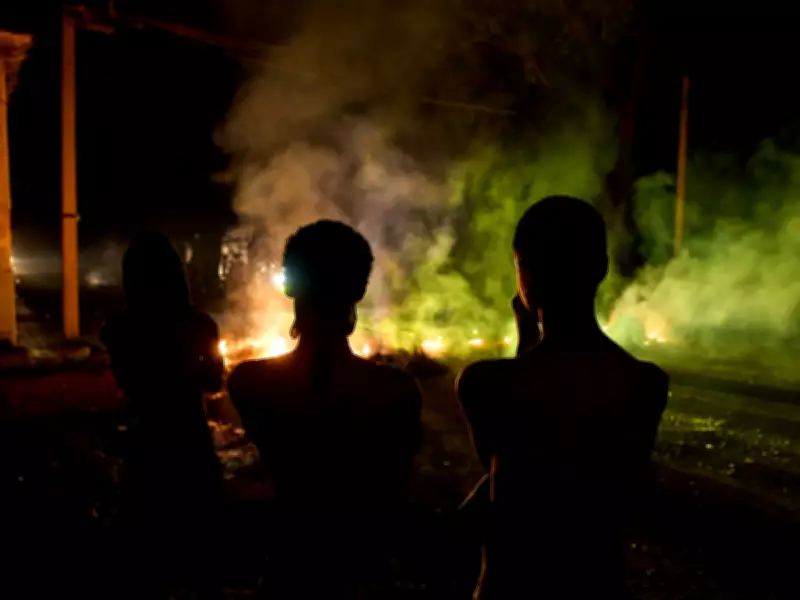
Social media reports indicated sporadic protests in and around Havana before nightfall on Wednesday. Residents banged pots and, in some cases, lit fires on darkened streets, with demonstrations continuing for hours. Such public displays of discontent are typically outlawed and aggressively prosecuted on the island.

President Miguel Díaz-Canel blamed the deteriorating situation on the U.S. pressure campaign, describing it as a genocidal energy blockade. He posted on X that the dramatic decline in conditions has only one cause: the U.S. energy blockade that threatens tariffs on any nation providing energy to Cuba.
Fuel Imports Halted
The U.S. has effectively cut off Cuba from virtually all fuel imports since January, allowing only a single Russian tanker through. That ship delivered 730,000 barrels of oil in late March, which helped reduce blackout frequency, but the supply ran out in early April. Another Russian-flagged vessel, the Universal, carrying diesel for Cuba, halted its voyage over three weeks ago and remains idling off Bermuda, according to Vortexa Ltd. data.
After the U.S. targeted Cuba's principal ally Venezuela and threatened tariffs on any country supplying oil to the island, the flow of imports has dried up. Port documents reviewed by Bloomberg show no tankers carrying Mexican or Venezuelan oil are scheduled to arrive in the next week.
US Blames Mismanagement
Washington attributes Cuba's economic failings to mismanagement and corruption, insisting that the 67-year-old regime must step down or be ousted before the economy can improve. While talks between U.S. and Cuban officials continue, few concessions have been made. Both sides allow Cuba's small private sector to import fuel for its own needs, but those shipments are measured in liters, while the energy grid requires millions of tons, according to de la O.
Rising Discontent
Public demonstrations are rare due to aggressive prosecution, but they have increased this year as conditions worsen. In March, demonstrators threw stones at a local Communist Party office in central Cuba and set it ablaze. Last week, Secretary of State Marco Rubio stated that Cuba ignored a U.S. offer of $100 million in aid to avert a humanitarian crisis. The State Department reiterated the aid pledge on Wednesday.
Cuba Open to Aid
Foreign Minister Bruno Rodríguez acknowledged receipt of the formal aid offer on Thursday. He stated that Cuba is always willing to accept foreign aid made in good faith, even from a nation that is subjecting the Cuban people to collective punishment through economic warfare. He expressed hope that the aid would be free of political strings and attempts to capitalize on the needs and pain of a nation under siege.