Arctic Blast Forces Hydro-Québec to Curtail Power Exports to Massachusetts
A severe and prolonged cold snap sweeping across Quebec has significantly disrupted Hydro-Québec's operations, compelling the provincial utility to reduce its electricity exports to Massachusetts. This unexpected interruption underscores the growing challenges that extreme weather events pose to North America's interconnected energy grids and cross-border power agreements.
Impact on Cross-Border Energy Trade
The frigid temperatures, which have plunged well below seasonal norms, have placed immense strain on Quebec's domestic power grid. To prioritize local heating and electricity needs for residents and businesses, Hydro-Québec was forced to scale back its contractual power deliveries to the New England state. This decision highlights a critical tension in energy export strategies: balancing lucrative international contracts against the paramount duty to ensure domestic reliability during periods of peak demand.
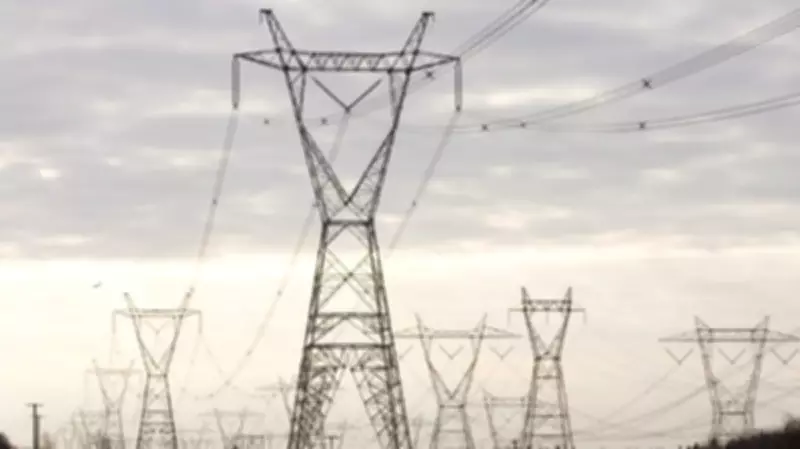
The export reduction to Massachusetts is a direct consequence of the heightened electricity consumption within Quebec itself, as furnaces, heaters, and other appliances work overtime to combat the bitter cold. Such scenarios reveal the vulnerabilities inherent in relying on long-distance transmission lines, which can be affected by both market forces and the very climate conditions they sometimes help mitigate.

Broader Implications for Energy Security
This incident is not an isolated one. It reflects a broader pattern where climate volatility—from extreme cold to heat waves—increasingly tests the resilience of power infrastructure. For Massachusetts, which has invested in Hydro-Québec's hydroelectric power as a component of its clean energy portfolio, the disruption serves as a stark reminder of the physical and logistical risks associated with imported electricity, even from a traditionally reliable source.
The situation raises important questions about energy security and the need for diversified supply portfolios that can withstand regional climate shocks. While hydroelectric power is a low-carbon resource, its availability can be constrained by the same environmental factors it is often praised for harnessing.
Looking Ahead: Infrastructure and Planning
Analysts suggest that this event may prompt renewed discussions on several fronts:
- Grid Resilience: Investments in more robust transmission infrastructure that can better handle peak loads and extreme weather.
- Storage Solutions: Accelerating the deployment of large-scale battery storage to act as a buffer during supply interruptions.
- Contractual Flexibility: Re-evaluating power purchase agreements to include more adaptive clauses for force majeure events linked to climate.
- Domestic Capacity: Encouraging in-region generation development to reduce over-reliance on distant power sources during critical periods.
The cold snap's disruption of a key energy trade route between Canada and the United States demonstrates that in an era of climate change, even established systems must evolve. Ensuring a stable, clean, and secure power supply for all jurisdictions involved will require proactive planning, collaboration, and significant investment in the face of a more unpredictable climate.