China's Dual Energy Path: Coal Expansion Amidst Renewable Leadership
While China stands as the undisputed global leader in solar and wind power capacity, a parallel and seemingly contradictory trend is unfolding: the nation is aggressively building new coal-fired power plants. This strategic move underscores a complex calculus where energy security, grid stability, and economic growth often trump climate pledges in the near term.
The Scale of the Coal Build-Out
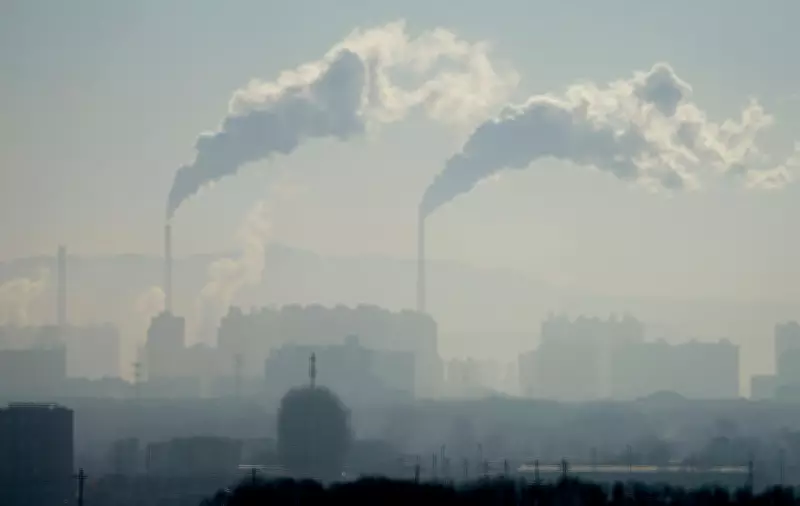
Approvals for new coal power projects in China have surged in recent years. Dozens of gigawatts of new coal capacity are under construction or in the planning stages, primarily to serve as backup for industrial regions and to ensure reliability. This development occurs even as the country installs renewable energy at a record-breaking pace, creating a unique dual-track energy system.
Analysts point to several key drivers for this continued reliance on coal. First, energy security remains a paramount concern for Chinese policymakers. Coal is seen as a domestically abundant and controllable resource, unlike imported oil or gas. Second, the intermittent nature of solar and wind power requires flexible backup generation to maintain grid stability, especially during peak demand periods or when weather conditions are unfavorable.

Renewables Boom Versus Baseload Needs
China's solar and wind sectors are experiencing an unprecedented boom, with the nation accounting for over half of global renewable capacity additions. However, integrating this vast amount of variable power into the national grid presents significant technical and infrastructural challenges. New coal plants are often justified as necessary to provide the baseload power and grid inertia that renewables currently cannot reliably supply on their own.
Furthermore, provincial governments and state-owned enterprises have economic incentives to approve coal projects, which provide local jobs, tax revenue, and support for heavy industry. This creates a powerful political economy that continues to favor fossil fuel infrastructure, even as central government directives emphasize a long-term transition to cleaner energy.
The Long-Term Climate Dilemma
This coal expansion poses a major dilemma for global climate goals. China is the world's largest emitter of greenhouse gases, and new coal plants have lifespans of 30 to 40 years, potentially locking in significant emissions for decades. While the government has pledged to peak carbon emissions before 2030 and achieve carbon neutrality by 2060, the current trajectory of coal plant construction complicates that pathway.
International observers are watching closely. The situation highlights the tension between immediate energy needs and long-term environmental commitments. China's strategy appears to be one of building out all available energy sources—renewables, nuclear, and coal—to ensure no shortage hampers its economic development, with the hope that cleaner technologies will eventually allow for a phasedown of coal.
In conclusion, China's simultaneous pursuit of renewable energy dominance and new coal capacity is not a paradox but a calculated, if controversial, energy security policy. It reflects the immense challenge of decarbonizing the world's largest energy system while maintaining relentless economic growth and grid reliability.