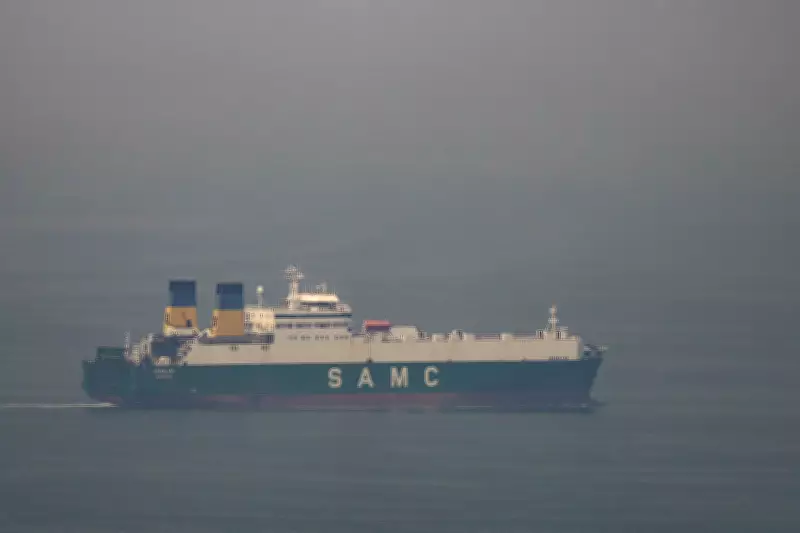
Canadian Cargo Ships Trapped in Persian Gulf Amid Strait of Hormuz Blockade
In a significant development affecting international maritime trade, several Canadian-flagged cargo ships have become immobilized in the Persian Gulf as the blockade of the strategic Strait of Hormuz persists. The situation has created substantial logistical challenges for Canadian shipping companies and raised concerns about supply chain disruptions.
Ongoing Maritime Standoff
The blockade, which has been in effect for multiple days, has effectively closed one of the world's most critical shipping chokepoints. The Strait of Hormuz serves as a vital passageway for approximately one-fifth of global oil shipments and numerous commercial goods. Canadian vessels attempting to transit through the region have found themselves unable to proceed, with some anchored in United Arab Emirates waters as they await resolution of the geopolitical impasse.
This maritime crisis comes at a particularly sensitive time for global trade networks, which are already grappling with multiple disruptions. The trapped Canadian ships represent both commercial and symbolic challenges for Canada's international shipping presence in the Middle East.

Economic and Strategic Implications
The stranded vessels carry various cargoes destined for international markets, and their immobilization has immediate financial consequences for Canadian shipping operators. Industry analysts estimate that each day of delay costs shipping companies tens of thousands of dollars in operational expenses and potential contractual penalties.
The broader economic impact extends beyond the immediate shipping industry, potentially affecting Canadian businesses that rely on timely delivery of goods through this crucial corridor. The situation has prompted urgent discussions within Canadian government and business circles about contingency planning for alternative shipping routes, though few viable options exist for bypassing the strategically positioned strait.
Regional Tensions and International Response
The blockade forms part of broader regional tensions that have periodically disrupted shipping through the Strait of Hormuz in recent years. While the specific actors enforcing the current blockade remain officially unidentified, the action has drawn international condemnation and calls for diplomatic resolution.
Canadian officials are reportedly engaged in behind-the-scenes negotiations to secure safe passage for the trapped vessels, though progress appears slow amid complex geopolitical considerations. The situation has highlighted Canada's vulnerability to distant maritime disruptions despite its reputation as a trading nation with global reach.
Looking Forward
As the blockade continues with no clear end in sight, Canadian shipping companies face difficult decisions about rerouting vessels or accepting extended delays. The incident serves as a stark reminder of how geopolitical conflicts in distant regions can directly impact Canadian commercial interests and global supply chains.
The international community continues to monitor the situation closely, with many hoping for a swift diplomatic resolution that would allow normal shipping operations to resume through this vital global trade artery.