Canada's Critical Energy Security Blind Spot in Heating and Cooling Systems
As global energy markets experience unprecedented volatility and geopolitical tensions reshape energy security worldwide, Canada finds itself at a crucial crossroads. For Alberta specifically, this moment carries profound significance that demands immediate attention and strategic planning.
The Overlooked Vulnerability in Canada's Energy System
While much of the national energy debate continues to focus on oil, gas, and electricity generation, one of the largest and most vulnerable components of the entire energy system remains dangerously overlooked: heating and cooling infrastructure. This critical blind spot represents a significant structural vulnerability for Canada's energy security framework.
Heating and cooling account for approximately half of all global energy consumption, yet more than eighty percent of this demand continues to rely on fossil fuels. Within Canada, space heating and water heating represent more than sixty percent of residential energy usage, with natural gas serving as the primary fuel source for much of this demand.

Alberta's Unique Position and Challenges
Even as a major global energy producer, Alberta's thermal systems remain exposed to multiple threats including price volatility, infrastructure constraints, and mounting emissions pressures. Like many nations, forward-looking policy and investment continue to prioritize electricity systems, leaving heating and cooling infrastructure fragmented, underdeveloped, and largely absent from comprehensive energy security planning.
This oversight creates a significant vulnerability that demands immediate attention and strategic redirection. The conversation must shift toward addressing this critical gap in Canada's energy security framework.
Geothermal Energy: A Transformative Alternative Model
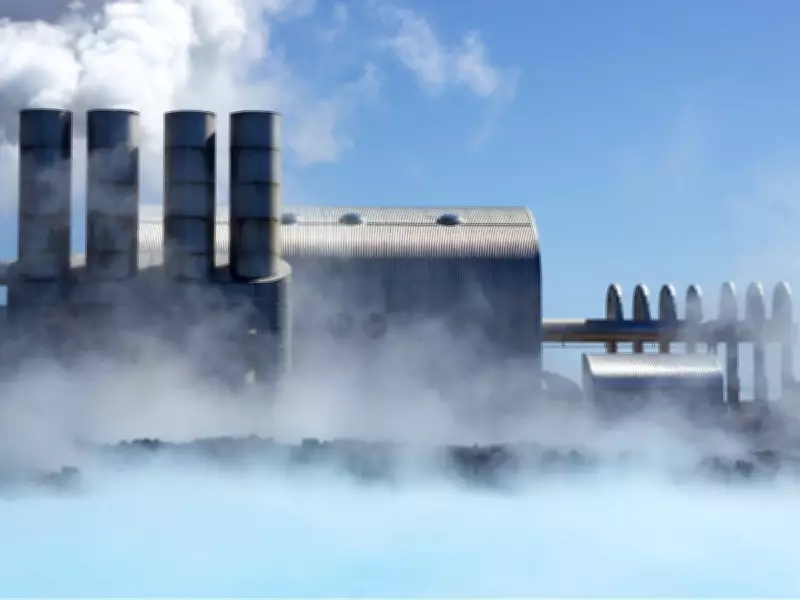
Geothermal energy offers a fundamentally different paradigm: infrastructure rather than fuel dependency. By tapping into stable underground temperatures, geothermal systems provide reliable, long-term heating and cooling solutions that remain immune to transport disruptions and global price shocks.
In practical terms, this approach replaces recurring fuel costs and exposure to volatile international markets with long-life domestic assets that stabilize energy prices and strengthen overall resilience. With a minimal land footprint, geothermal technology can be deployed seamlessly within urban environments, integrating effectively into buildings, district energy networks, and industrial operations.
Leveraging Alberta's Existing Strengths
Critically, geothermal development builds directly upon some of Alberta's greatest existing strengths. As one of the world's leading oil and gas regions, Alberta possesses decades of accumulated expertise in drilling technology, subsurface engineering, and large-scale infrastructure development.
These established capabilities translate directly to geothermal project development. Globally, up to eighty percent of geothermal project investment overlaps with technologies, equipment, and specialized skills already standard within the oil and gas sector.
A Strategic Pathway Forward
This creates a powerful pathway for economic diversification and enhanced energy security, leveraging existing expertise rather than replacing it. For Alberta's workforce and energy sector, geothermal represents a significant opportunity to extend core capabilities into new markets, repurpose existing infrastructure, and accelerate project development timelines.
The upcoming World Geothermal Congress in Calgary this June brings global attention to a resource that could play a transformative role in Alberta's energy future. At a time of rising geopolitical tensions and fossil-fuel supply uncertainty, this event represents an important opportunity to fundamentally rethink how energy is produced, delivered, and secured.
Looking to international examples provides valuable perspective. Iceland successfully transformed its national energy system through strategic investment in geothermal infrastructure. Today, approximately ninety percent of Icelandic homes benefit from geothermal heating, demonstrating the practical viability of this approach.

For Canada, and particularly for Alberta, addressing the heating and cooling vulnerability represents not just an energy security imperative but an economic opportunity. By embracing geothermal development, the province can build a more resilient energy system while creating new pathways for its established energy workforce and industries.