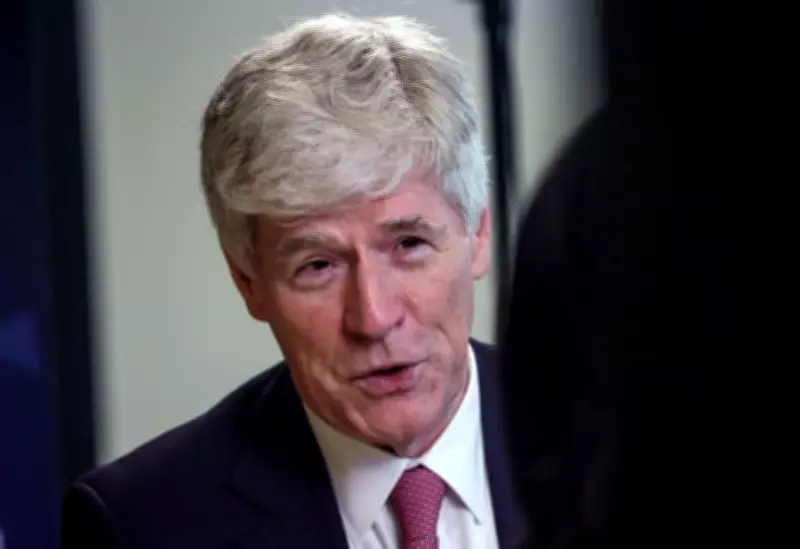
Canadian Energy Minister Tim Hodgson has proposed increasing natural gas flows to the United States, aiming to bolster liquefied natural gas exports from the Gulf Coast and meet the surging power demands of artificial intelligence data centers. In a recent interview on Bloomberg Television, Hodgson revealed he held productive discussions with U.S. Energy Secretary Chris Wright and Interior Secretary Doug Burgum during the CERAWeek conference in Houston, hosted by S&P Global.
Fueling the AI Race with Canadian Natural Gas
Hodgson emphasized that Canada currently ships eight billion cubic feet per day of natural gas to the U.S., which supports approximately 20 billion cubic feet per day of American LNG exports. "We talked about how we could help send more gas down to help you export more off the Gulf Coast and to help you with your AI strategy," Hodgson stated. "Obviously, a key component of the AI race is building more data centers. That requires more natural gas. We can provide that gas."
Global Energy Markets and Middle East Tensions
The ongoing conflict in the Middle East has tightened global energy markets, including LNG supplies, following Iranian missile strikes that caused significant damage to Qatar's Ras Laffan complex. In response, Germany's economy minister has urged utilities to secure additional long-term LNG supply, potentially from non-U.S. producers. Hodgson assured his U.S. counterparts that Canada is taking all possible measures to maintain oil flow despite the geopolitical instability.

Canada's Commitment to Global Oil Supply
Canada has committed 23.6 million barrels toward the International Energy Agency's emergency release of 400 million barrels. Although Canada does not maintain strategic reserves as a net oil exporter, companies have incentives to increase supply while U.S. crude trades around $90 per barrel, after briefly surpassing $100. The Canadian government has requested oil sands producers to delay planned second-quarter maintenance to sustain output levels.
"Right now we have asked them not to do that so they can keep producing and sending oil both to the United States and also to our allies around the world," Hodgson explained. Previously, major oil sands producers had not confirmed such turnaround delays.
Pipeline Negotiations and Carbon Pricing
Hodgson also mentioned being in "intense discussions" to finalize a deal with Alberta, which would involve federal backing for a new oil pipeline to the west coast in exchange for provincial commitments on carbon pricing and the Pathways carbon-capture project. A 2025 memorandum of understanding set an April 1 deadline for agreements on carbon pricing and a framework for Pathways construction, but Alberta Premier Danielle Smith has indicated this deadline is unlikely to be met.
This initiative highlights Canada's strategic role in supporting U.S. energy needs and global market stability, while navigating domestic environmental and economic priorities.