Canada and India Announce Major Energy Trade Expansion
In a significant move to reset diplomatic relations, Canada and India have pledged to substantially expand their bilateral trade in oil and petroleum products. This announcement comes as the two nations work to overcome a period of diplomatic tension and forge a new path of economic cooperation.
Rebooting Relations Through Energy Cooperation
The commitment was formalized following a meeting between Canadian Energy Minister Tim Hodgson and Indian Petroleum and Natural Gas Minister Hardeep Singh Puri at India Energy Week in Goa. According to a joint statement obtained by Bloomberg News, both countries will increase shipments of various energy commodities.
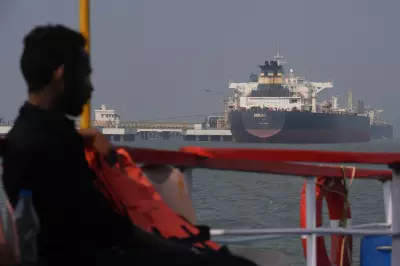
Canada will boost exports of crude oil, liquefied natural gas (LNG), and liquefied petroleum gas (LPG) to India, while India will reciprocate by sending more refined petroleum products to Canadian markets. This arrangement represents a strategic effort to diversify trade relationships and strengthen economic ties between the two nations.

Ministerial Statements and Strategic Vision
"We see an opportunity to work with India," Minister Hodgson declared during his address at the energy conference. "We are now building pipelines to the West Coast. We are looking to build more. We will never use our energy for coercion."
This renewed energy dialogue marks a revival of what was once the primary channel for energy cooperation between Canada and India. The mechanism had become inactive following diplomatic disputes, including tensions surrounding the killing of a Canadian Sikh activist.
Prime Minister Carney's Diversification Strategy
The energy partnership represents one of Prime Minister Mark Carney's major initiatives to diversify Canada's export markets, particularly as trade tensions with the United States continue to escalate. This approach reflects the Canadian government's shift toward pragmatic, economy-focused diplomacy with key Asian partners.
"Canada used to provide 98 per cent of its energy exports to a single country," Hodgson noted at the conference. "We are committed to diversifying."
Comprehensive Energy Collaboration
Beyond traditional oil and gas trade, the ministers committed to several additional areas of cooperation:
- Facilitating greater reciprocal investment in each other's energy sectors
- Exploring collaboration in hydrogen production and biofuels
- Developing battery storage technologies
- Cooperating on critical minerals extraction and processing
- Enhancing electricity systems integration
- Applying artificial intelligence within the energy industry
Economic Context and Future Prospects
Two-way goods trade between Canada and India reached $13.3 billion in 2024, with both governments recognizing substantial room for growth, particularly in the energy sector. Currently, India accounts for just one per cent of Canada's critical minerals exports, highlighting the significant potential for expansion.
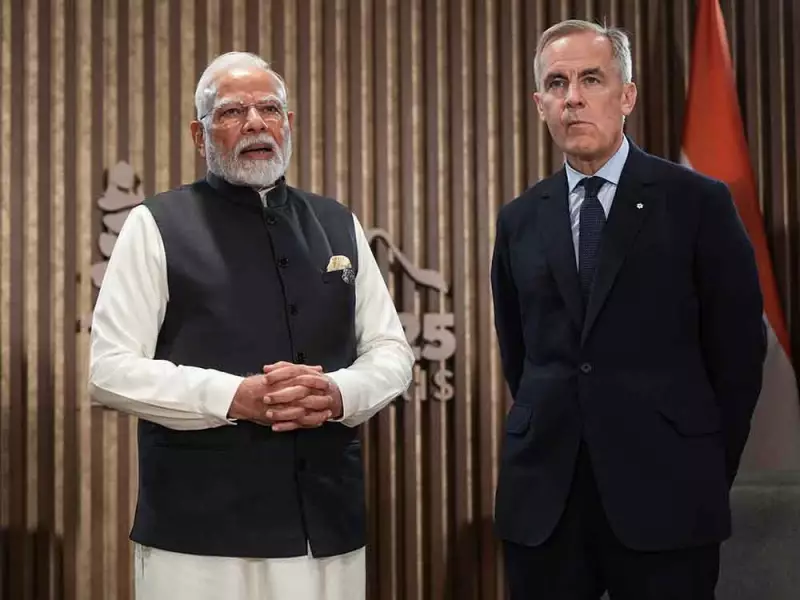
The relaunch of the energy dialogue signals that both governments recognize untapped potential and strategic value in strengthening an energy relationship that had been neglected. Prime Minister Carney is expected to visit India in the coming weeks as part of this diplomatic reset, following his recent discussions with Prime Minister Narendra Modi about restarting comprehensive economic partnership agreement talks.
Infrastructure and Logistics Developments
Several infrastructure developments support this expanded energy trade:
- Canada began exporting LNG to Asia in June 2025
- Canadian LPG terminals offer relatively short shipping routes to India
- The expansion of the Trans Mountain pipeline creates direct pathways for crude shipments to India
While most Canadian crude oil currently reaches India through the U.S. Gulf Coast, the enhanced pipeline infrastructure provides more direct shipping options for future trade.

Broader Diplomatic Context
Carney's upcoming India visit follows his recent trip to Beijing, where he and President Xi Jinping agreed to reduce tariff barriers. This diplomatic activity has drawn attention from the United States, with President Donald Trump threatening 100 per cent tariffs on Canadian goods if Ottawa "makes a deal with China." Carney has emphasized that Canada is not pursuing a free trade agreement with China, but rather seeking balanced economic relationships with multiple Asian partners.
The renewed Canada-India energy partnership represents a strategic realignment for both nations as they navigate complex global trade dynamics while addressing domestic energy security and economic diversification priorities.