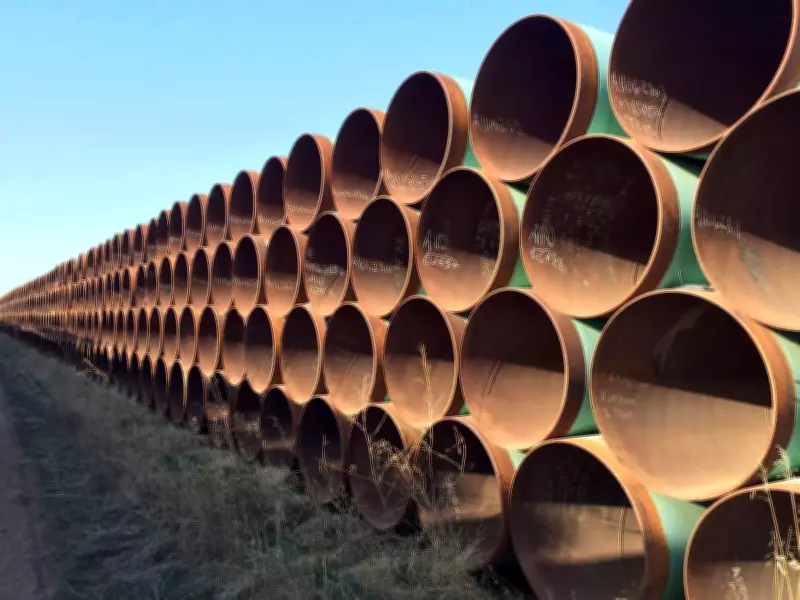
Canadian government representatives have entered into preliminary discussions with officials from the Trump administration concerning the potential revival of the Keystone XL pipeline project. This development marks a significant step in revisiting a major cross-border energy infrastructure initiative that was previously terminated.
High-Level Diplomatic Engagement
The talks involve senior Canadian energy and natural resources officials engaging with their U.S. counterparts to explore the feasibility of restarting the Keystone XL pipeline. This project, designed to transport crude oil from Alberta to refineries in the United States, has long been a subject of intense political and environmental debate.
Historical Context and Project Significance
The Keystone XL pipeline proposal has experienced a tumultuous history, facing multiple approvals and cancellations across different U.S. administrations. Its revival would represent a substantial economic opportunity for Canada's energy sector, potentially creating thousands of jobs and enhancing North American energy security. The pipeline's capacity to move hundreds of thousands of barrels of oil daily makes it a critical component of continental energy infrastructure.

Current Political Landscape
These discussions occur within a complex political environment where energy policy remains a contentious issue. The Trump administration has historically supported fossil fuel projects and energy independence initiatives, creating a potentially favorable climate for reconsidering the pipeline. Meanwhile, Canadian officials must balance economic interests with environmental commitments and Indigenous consultations.
Economic and Environmental Considerations
The potential revival of Keystone XL involves careful consideration of both economic benefits and environmental impacts. Proponents argue the project would boost economic growth, enhance energy reliability, and strengthen Canada-U.S. trade relations. Opponents raise concerns about greenhouse gas emissions, potential spills, and impacts on Indigenous lands and waterways.
Next Steps and Timeline
While discussions are in early stages, officials from both countries are evaluating regulatory pathways, environmental assessments, and economic analyses required for any potential revival. The process would likely involve extensive review periods, public consultations, and possible legal challenges before any construction could commence.
The outcome of these preliminary talks will significantly influence North American energy policy and bilateral relations between Canada and the United States in the coming years.