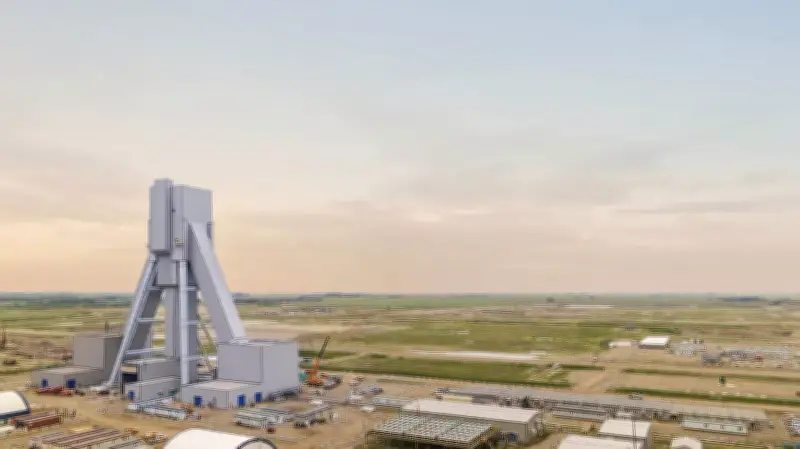
BHP has announced a significant cost increase for its Jansen potash mine project in Saskatchewan, raising the estimated total by US$2 billion. The mining giant now expects the project to cost over $14 billion, up from the previous estimate of $12 billion.
Reasons for the Cost Hike
The company cited inflationary pressures, labor shortages, and supply chain disruptions as primary factors driving the increase. BHP noted that construction costs have risen sharply since the project was first approved, with delays in equipment delivery and skilled labor availability adding to expenses.
Project Details
The Jansen mine, located east of Saskatoon, is one of the largest potash projects globally. It is expected to begin production in 2027, with an initial capacity of 4.35 million tonnes per year. BHP has already invested billions in sinking shafts and building surface infrastructure.

Impact on BHP's Financials
Despite the overrun, analysts suggest the cost increase will not significantly affect BHP's bottom line, given the company's strong cash flow from iron ore and copper operations. The project remains strategically important for diversifying BHP's portfolio into fertilizers.
Industry Context
The potash market has faced volatility, with prices spiking after sanctions on Belarus and Russia. Saskatchewan is a key potash-producing region, hosting major mines operated by Nutrien and Mosaic. The Jansen project is expected to strengthen Canada's position in global potash supply.
BHP stated it remains committed to the project, which is slated to create thousands of jobs during construction and hundreds of permanent positions once operational.