With summer approaching, Canadian consumers are facing exorbitant costs for beef, from sirloin steaks to ground beef. Despite high prices persisting for over a year, the trend shows no sign of easing.
Record High Prices
In March 2026, the cost of cattle for slaughter in Alberta reached $311 per hundredweight, the highest on record, up from $194 two years earlier. This surge is driven by a combination of factors, including diminished cattle herds and increased demand.
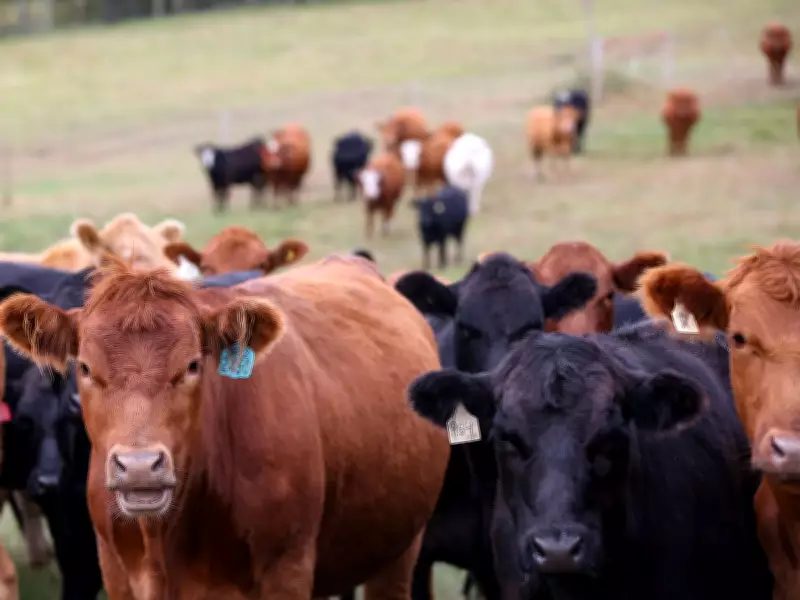
Alberta, which accounts for nearly half of Canada's 11 million head of cattle, has been hit particularly hard. The province's long-standing role as the country's chief red meat supplier has made the price spike especially noticeable.

Supply Constraints
Andrea Brocklebank, chief executive of the Canadian Cattle Association, attributes high prices largely to a decline in herd sizes over the past decade. "Globally, beef supplies are a lot tighter over the last few years," she said. "A lot of key beef-producing countries haven't seen expansions."
Prolonged droughts across the high plains of the U.S. and Canada have reduced grass availability for feedstock, forcing ranchers to reduce livestock. Simultaneously, beef demand in Canada has soared due to record-high immigration, including permanent residents, temporary workers, and foreign students.
Global Context
High beef prices are not unique to Canada. The U.S. has also seen sharp increases, prompting the Trump administration to consider remedies. Trump delayed a plan to cut U.S. import tariffs on beef and is exploring other options.
In Canada, cattle herd sizes have begun to recover, with total numbers rising 2.5% in January 2026 compared to a year earlier—the first growth since 2018. However, Brocklebank noted that it will take time for higher herd sizes to translate into lower prices. The bovine production cycle takes about two years, from gestation to market-ready animals.
"It takes time," she said. "The gestation of the animal takes time, production from calf to grown animal takes over a year in some cases. So, we don't see the immediate effect that, for example, the chicken industry has in responding to demand cycles."
Land Conversion
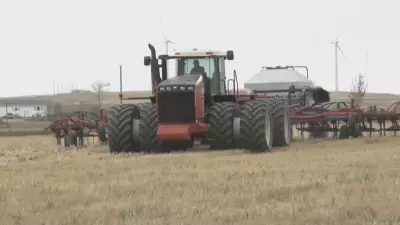
Another factor inhibiting beef supply is the gradual conversion of grazing land to crop production, such as barley, wheat, and soybeans. This shift reduces available pasture for cattle, further constraining supply.
As a result, consumers should not expect relief at the meat counter anytime soon. The combination of slow herd recovery, ongoing drought risks, and strong demand suggests that high beef prices will persist for the foreseeable future.