B.C. Hydro's North Coast Transmission Line Project Under Intense Scrutiny
VICTORIA — B.C. Hydro has publicly declared its intention to apply critical lessons learned from the massively overbudget Site C dam project to its upcoming $6 billion North Coast transmission line initiative. The government-owned utility insists that construction on the transmission line, which will connect Prince George to Terrace, is scheduled to commence later this year with improved risk management protocols in place.
Learning from Past Mistakes
In a comprehensive 258-page submission to the B.C. Utilities Commission this month, Hydro outlined specific commitments to avoid repeating what it acknowledges as "one of the most-expensive mistakes ever made on a government project in B.C." The utility responded to more than 100 questions from the commission regarding lessons extracted from the Site C experience, which saw costs balloon to $16 billion with $2 billion attributed specifically to geotechnical problems.
The transmission project promises to incorporate more thorough assessments of geotechnical risks and ensure contractors possess adequate familiarity with the challenging winter conditions along the proposed route. These measures directly address shortcomings identified in the Site C project, where Hydro had access to reports highlighting geotechnical risks at the Peace River location but chose to categorize them as having "low probability" despite "high consequences" if materialized.

Internal Oversight Raises Transparency Concerns
Hydro's submission emphasizes that "low probability, high-consequence risks" for the North Coast Transmission Line will undergo detailed review through "early discussions between the project team and the governing bodies." The utility states these evaluations will determine whether additional contingency funds or project reserves should be established, with governing bodies being informed of potential impacts to cost and schedule should risks materialize.
However, critics have raised significant concerns about transparency, noting that all this communication appears destined to occur internally between Hydro and its overseers. There is no explicit indication that risk assessments and their potential consequences will be shared with the public, recalling the John Horgan NDP government's controversial decision to withhold information about Site C geotechnical problems until after the 2020 provincial election.
Expertise Claims and External Scrutiny
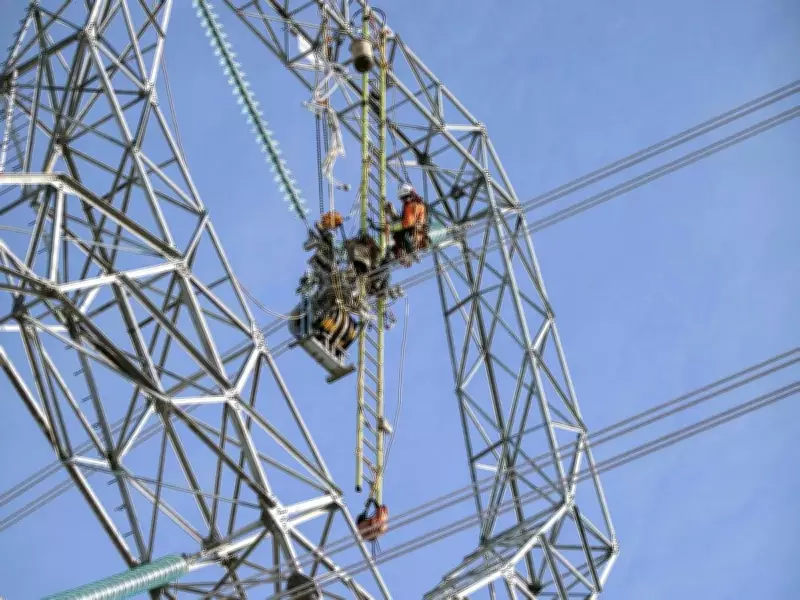
The utility asserts strong internal expertise regarding transmission tower foundations, which it identifies as the primary geotechnical concern for the North Coast project. According to Hydro's documentation, "the main geotechnical concern with the North Coast Transmission Line is primarily related to the foundation of the transmission towers and Hydro has strong internal expertise related to transmission tower foundations."
Despite these assurances, questions persist about whether internal expertise alone suffices for a project of this magnitude, particularly given the history of cost overruns on previous major initiatives. The resistance to external scrutiny contrasts with Hydro's public commitment to applying hard-won lessons from the Site C experience, creating what observers describe as a tension between claimed accountability and operational transparency.
The North Coast transmission line represents a critical infrastructure investment for British Columbia's energy future, making its financial management and risk assessment processes of paramount importance to ratepayers and taxpayers alike. As construction approaches, the balance between internal control and external oversight will likely remain a focal point of public and regulatory attention.