B.C. Ghost Town Owner Revives Ambitious Plan for Energy Export Terminal
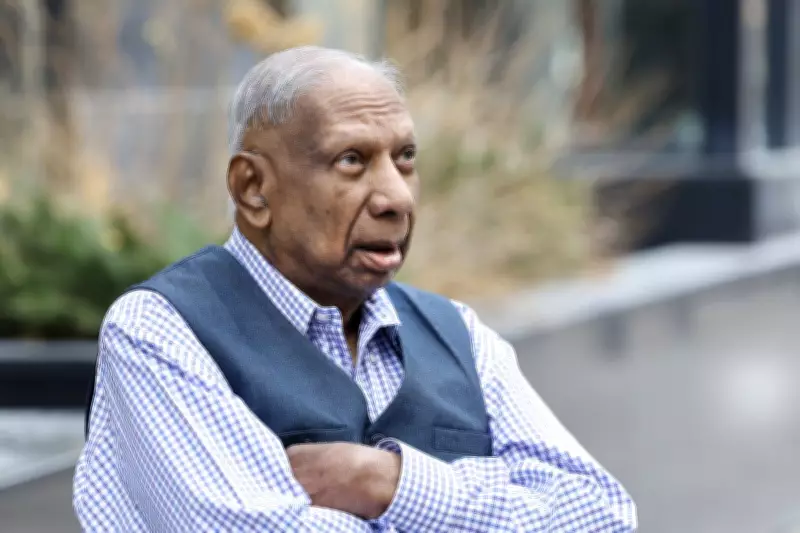
In a renewed push to breathe economic life into a forgotten corner of British Columbia, businessman Krishnan Suthanthiran is once again advocating for the transformation of the remote ghost town he owns into a significant energy export terminal. Suthanthiran, who purchased the former company town of Kitsault, B.C., years ago, is actively engaging with government officials to promote the site's potential as a strategic hub for shipping Canadian energy resources to international markets.
A Strategic Location with Historical Roots
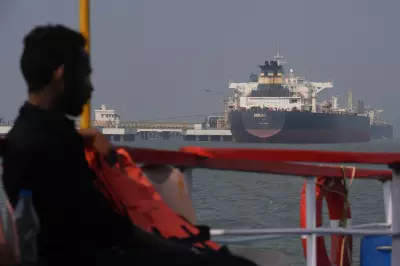
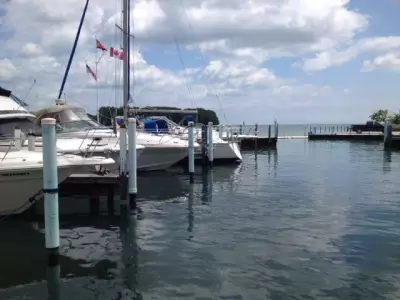
The town of Kitsault, located approximately 140 kilometers northeast of Prince Rupert, has a unique history. It was originally built in the late 1970s to house workers for a molybdenum mine, but was abandoned just 18 months later when the mine closed. For decades, it sat largely empty, a collection of preserved buildings in a remote coastal inlet. Suthanthiran's vision seeks to leverage this existing, albeit dormant, infrastructure and its deep-water access to create a modern export facility.
This is not the first time the entrepreneur has floated this concept. Previous attempts to gain traction for the project have faced various hurdles, including regulatory challenges, environmental assessments, and the need for substantial investment in port upgrades and connecting pipelines or other transport links. However, the persistent businessman believes the current geopolitical and economic climate, coupled with Canada's ongoing efforts to diversify its energy export routes, presents a fresh opportunity.

Overcoming Challenges and Seeking Government Partnership
The proposal faces a complex web of considerations. Any large-scale energy terminal would require rigorous environmental review, particularly given its location in a sensitive coastal region. Community consultations with First Nations and local residents would be paramount. Furthermore, the economics of building the necessary infrastructure to connect Kitsault to energy-producing regions, whether for liquefied natural gas (LNG), hydrogen, or other commodities, represent a multi-billion dollar challenge.
Suthanthiran's strategy appears to hinge on convincing provincial and federal governments that the site offers a strategic advantage. Proponents of the idea argue that a new West Coast export point could help alleviate congestion at other ports and provide an additional route to Asian markets, potentially enhancing Canada's energy security and economic competitiveness. The businessman's recent activities, including posing for promotional photographs in Calgary, signal a concerted effort to build momentum and attract the necessary political and financial backing to move the concept beyond the drawing board.
Whether this latest swing at energy exports will connect remains to be seen. The project's fate will depend on a confluence of factors: government policy alignment, investor confidence, successful navigation of the regulatory landscape, and demonstrating a clear, sustainable economic benefit for British Columbia and Canada as a whole. For now, the owner of B.C.'s most famous ghost town continues his long-term campaign to turn a relic of the past into a cornerstone of the country's energy future.