B.C. Households Face Critical Energy Cost Decisions in 2026 Budget
As the provincial government prepares to table its 2026 budget on February 17, British Columbia families are grappling with their own financial calculations at kitchen tables across the province. The upcoming fiscal decisions will significantly impact household energy affordability during a period of rising costs.
The Growing Burden of Winter Heating Expenses
Winter in British Columbia has become increasingly expensive for many households. Recent weeks have revealed troubling stories from residents struggling with energy affordability. One mother reported considering cutting after-school programs to cover higher heating bills during a recent cold snap. Another homeowner expressed frustration about wanting to retrofit an aging house to reduce energy costs, but finding the upfront expenses completely unattainable.
These individual stories reflect a broader pattern across the province. Households with lower incomes, older homes, or limited housing options often face the most severe impacts from rising energy costs, while having the fewest resources to implement solutions that could reduce their monthly bills.

The Stark Reality of Rising Energy Costs
The financial pressure on British Columbians is substantial and growing. Home-heating gas bills have increased by 28.5 percent over the past year alone. According to Deloitte forecasts, natural gas costs are expected to continue rising as liquefied natural gas exports expand, which will likely push household bills even higher.
When heating costs increase, the financial ripple effects extend throughout household budgets, affecting spending on groceries, commuting expenses, and rent payments. This creates a cascading financial burden that leaves many families with difficult choices about where to cut essential spending.
CleanBC Programs at a Crossroads
The upcoming budget presents a critical choice for provincial policymakers. The government will either protect the CleanBC rebates and incentives that help lower household energy bills, or it will cut these programs precisely when residents need relief most.
CleanBC represents British Columbia's comprehensive climate plan, featuring programs designed to help households upgrade their homes, access cleaner and more affordable transportation options, and ultimately reduce their monthly expenses. A recent independent review of CleanBC clearly stated that these rebates and incentives have served as "critical levers" that simultaneously lower household costs while reducing pollution, improving public health, creating jobs, and preparing the province's energy system for an increasingly electrified future.
The Heat Pump Example: Significant Savings with Accessibility Barriers
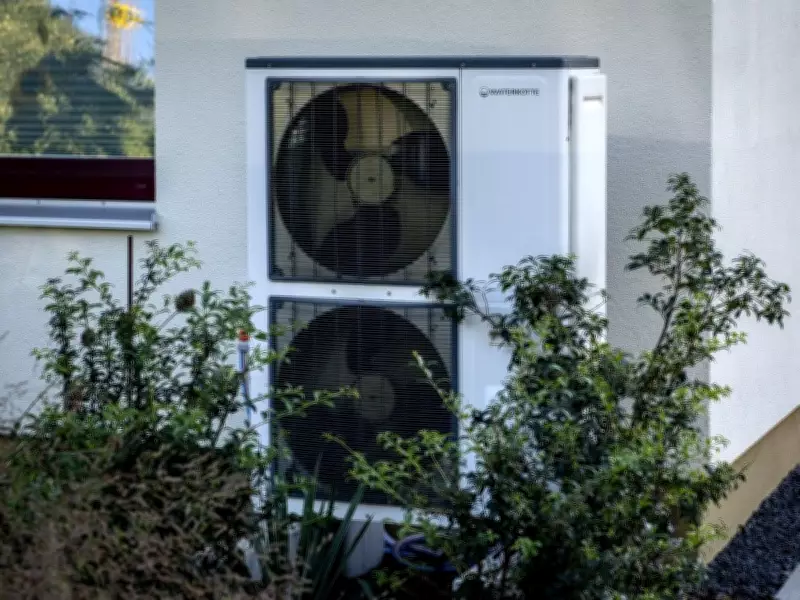
Electric heat pumps provide a compelling case study in energy efficiency benefits. These systems not only lower energy bills but also improve home comfort and safety during both extreme cold and the increasingly common hot spells and wildfire smoke seasons.
Clean Energy Canada's recent analysis specific to British Columbia found that, on average, annual household energy bills with a cold climate air source heat pump would be $169 lower than with a natural gas furnace and air conditioning combination, and $849 lower than with electric resistance heating and conventional air conditioning.
Despite these substantial potential savings, many households cannot access them due to significant upfront costs or complex program navigation requirements. The same accessibility challenges apply to electric vehicles, where Clean Energy Canada's analysis found that typical EVs can save thousands of dollars annually through reduced fuel and maintenance expenses.
The Economic Cost of Uncertainty
The independent CleanBC review issued an important warning about program stability. The report noted that stopping or publicly reconsidering these incentive programs sends mixed signals that can delay investment decisions by households and businesses. In practical terms, this uncertainty itself carries financial costs, as families postpone energy-efficient upgrades that could save them money immediately.

Transportation represents another area where British Columbians face similar challenges. In many communities across the province, long commutes are common, and gasoline price volatility creates constant financial stress for working families.
A Call for Budget Protection and Expansion
Advocates emphasize that protecting and potentially expanding heat pump and home energy-efficiency support programs will allow more households to reduce their costs rather than leaving vulnerable residents behind. The message from community members is consistent and clear: British Columbians want practical solutions that lower their monthly expenses, but they need those savings to be genuinely accessible and achievable.
As budget deliberations continue, the provincial government faces a fundamental choice between maintaining support systems that help families manage rising energy costs or implementing cuts that would exacerbate financial pressures during already challenging economic times. The decisions made in the 2026 budget will have lasting implications for household affordability and energy transition progress across British Columbia.