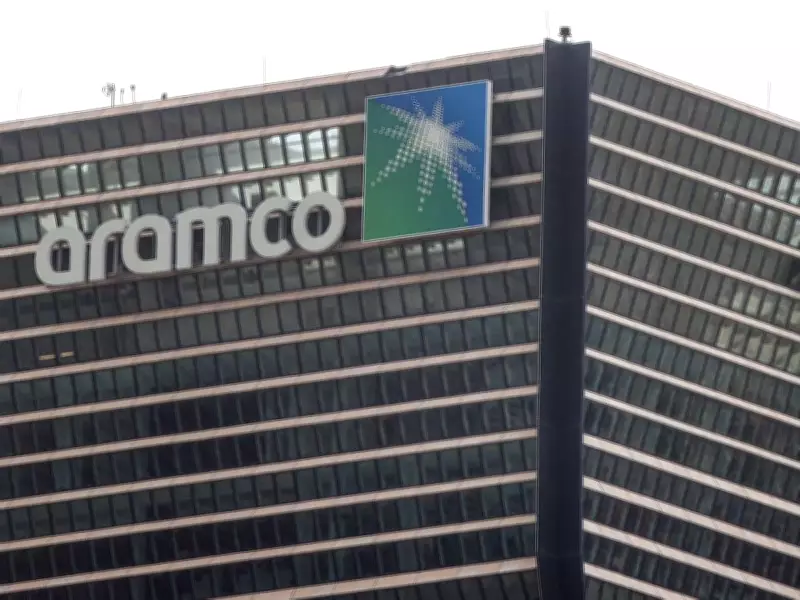
Saudi Aramco Chief Issues Dire Warning Over Oil Market Crisis
The chief executive of Saudi Aramco has issued a stark warning about catastrophic consequences for global oil markets as the Middle East's largest oil producer implements unprecedented production cuts amid escalating regional conflict. Amin Nasser described the current situation as the biggest crisis the region's oil and gas industry has ever faced, with disruptions from the Iran war creating severe market instability.
Massive Production Reductions Implemented
Saudi Arabia is cutting oil output by as much as 2.5 million barrels per day as the company scrambles to reroute supplies with the Strait of Hormuz at a near standstill. This dramatic reduction comes as Aramco has been forced to shut down Saudi Arabia's largest oil refinery, compounding the supply challenges facing global energy markets.
"There would be catastrophic consequences for the world's oil market the longer the disruption goes on, and the more drastic the consequences for the global economy," Nasser stated during a conference call with analysts and investors. While declining to disclose specific production levels, he confirmed that Aramco was "not utilizing for the time being" some of its heavier oil grades due to transportation constraints.

Financial Moves Amid Market Turmoil
Despite the operational challenges, Aramco announced its first-ever share buyback program worth US$3 billion over the next 18 months while simultaneously raising its dividend by 3.5 percent for the fourth quarter. These financial moves come as the company's shares have risen nearly 12 percent this year, though they continue to lag behind other global energy giants like Shell Plc and Exxon Mobil Corp.
The increased dividend payout will primarily benefit the Saudi government and sovereign wealth fund, which together own more than 97 percent of Aramco. The Saudi government relies heavily on these substantial payouts to fund its multitrillion-dollar economic diversification plan, Vision 2030, making stable oil revenues crucial to national economic strategy.
Regional Production Cuts Worsen Supply Crisis
The Middle East conflict has created what industry analysts describe as a nightmare scenario for global oil markets. Saudi Arabia has joined other regional petrostates including the United Arab Emirates, Iraq, and Kuwait in implementing production curbs as export routes become increasingly congested. These coordinated reductions drove oil prices above US$100 per barrel earlier this week before easing slightly amid diplomatic developments.
Currently, Aramco is exporting significantly less crude than normal capacity, with the pipeline running to Saudi Arabia's west coast handling approximately 5 million barrels per day compared to the usual 7 million barrels. Most exports consist of Arab Light, Aramco's most plentiful grade, along with some Extra Light crude. Nasser indicated the company could potentially pump up to 7 million barrels daily through this route and plans to ramp up to that level in coming days.
Strategic Adjustments and Future Outlook
Aramco is implementing several strategic adjustments to navigate the current crisis. Approximately 2 million barrels per day of production will be directed to domestic refineries along the Red Sea coast, while the company continues exporting refined products like diesel from its Western refineries. The energy giant is also leveraging its global network, including storage facilities outside Saudi Arabia, to meet market demands during this period of constrained transportation options.
"So certain areas where we have Medium and Heavy we are not utilizing for the time being because we have adequate capacity to meet our requirements," Nasser explained, highlighting the company's operational flexibility despite significant challenges. The share buyback, while relatively small for a company with a market valuation of approximately US$1.7 trillion, will further reduce Aramco's already limited free float and increase government control over the world's most valuable energy company.

As the Middle East conflict continues to disrupt global energy flows, industry observers warn that sustained production cuts could have far-reaching economic consequences beyond immediate price spikes, potentially affecting everything from transportation costs to manufacturing output worldwide.