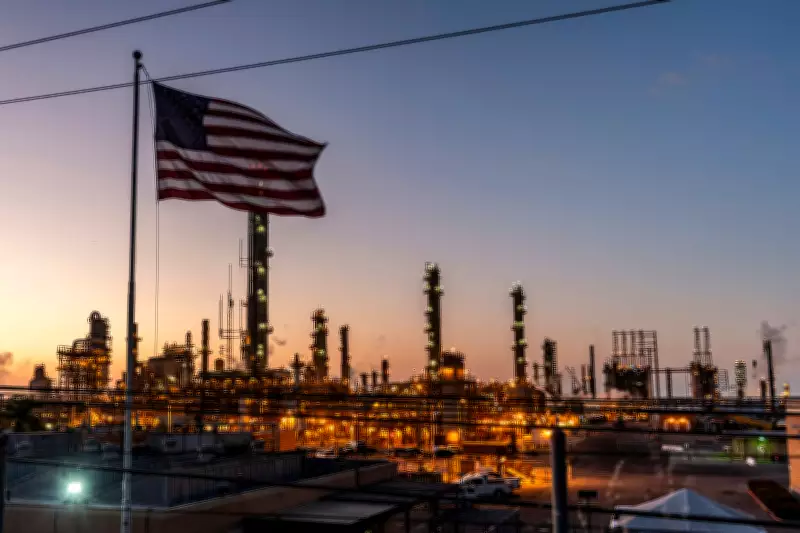
The American economy is bracing for a potential war shock as surging oil prices threaten to disrupt markets and fuel inflation. According to a report by CNN, the spike in crude oil costs comes amid escalating geopolitical tensions, raising concerns about energy security and economic stability.
Economic Pressures Mount
Oil prices have climbed sharply in recent weeks, driven by supply disruptions and fears of conflict in key producing regions. Analysts warn that sustained high prices could weigh on consumer spending, increase production costs for businesses, and complicate the Federal Reserve's efforts to control inflation.
"This is a significant risk factor for the economy," said an energy economist. "If oil remains elevated, we could see a slowdown in growth and higher prices at the pump for Americans."

Impact on Consumers and Industries
Rising gasoline prices are already straining household budgets, with the national average approaching $4 per gallon in some areas. Transportation and manufacturing sectors are also feeling the pinch, as fuel costs eat into profit margins.
"Every dollar increase at the pump reduces disposable income for families," noted a consumer advocate. "This could lead to cutbacks in other spending areas."
Geopolitical Factors
The oil price surge is partly attributed to tensions in the Middle East and Eastern Europe, where conflicts threaten supply routes. Additionally, OPEC+ production cuts have tightened global supply, leaving markets vulnerable to shocks.
"We're seeing a classic supply-side shock," explained an energy analyst. "The combination of geopolitical risks and production constraints is creating a volatile environment."
Policy Responses
The Biden administration has explored options to stabilize prices, including releasing strategic petroleum reserves and encouraging domestic production. However, these measures may have limited impact in the short term.
"There's no easy fix," said a policy expert. "The government can try to mitigate the effects, but structural changes in energy markets take time."
Outlook for the Economy
Economists are divided on the duration of the oil price spike. Some expect a temporary rise, while others warn of a prolonged period of high energy costs. The outcome will depend on geopolitical developments and global supply dynamics.
"The next few months will be critical," concluded an economic forecaster. "If oil prices stay high, we could see a drag on GDP growth and a renewed inflation challenge."