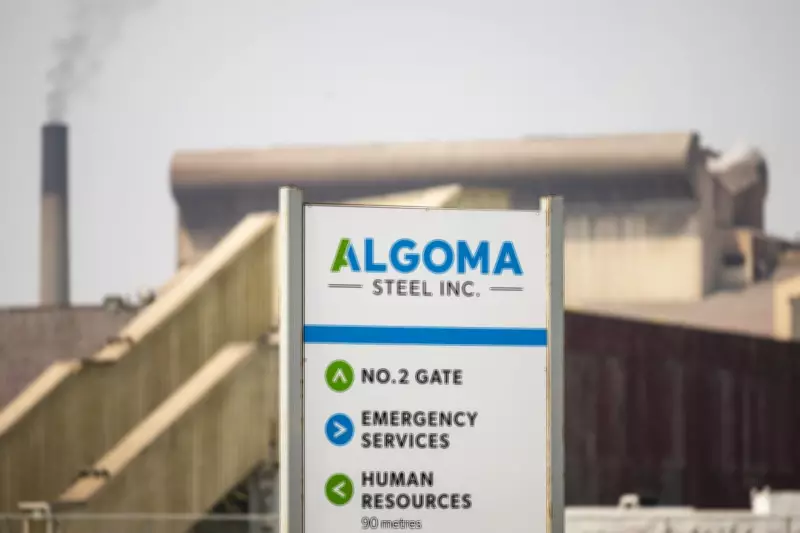
Algoma Steel Faces Challenges as Net Loss Widens
Algoma Steel Inc., Canada's second-largest steel producer, reported a net loss of $159 million in the first quarter of 2026, a significant increase from the previous year. The company cited ongoing U.S. tariffs and the high costs associated with transitioning to an electric arc furnace as primary factors.
Impact of U.S. Tariffs
The steelmaker continues to grapple with U.S. tariffs that have strained its profitability. The tariffs, imposed under Section 232, have reduced demand for Canadian steel in the American market, forcing Algoma to seek alternative buyers and adjust pricing strategies.
Transition to Electric Arc Furnace
Algoma is investing heavily in a new electric arc furnace (EAF) to reduce its carbon footprint and align with global green steel trends. However, the transition has incurred substantial capital expenditures, contributing to the widened net loss. The company expects the EAF to be operational by 2027, which should lower long-term costs and emissions.

Financial Performance
Revenue for the quarter fell 12% year-over-year to $1.2 billion, as lower steel prices and reduced volumes weighed on results. Operating expenses rose due to higher energy costs and maintenance shutdowns related to the furnace upgrade. Algoma's adjusted EBITDA turned negative, reflecting the challenging market conditions.
Industry Outlook
Analysts remain cautious about Algoma's near-term prospects, citing persistent trade uncertainties and global oversupply. However, the company's strategic pivot to greener production methods may position it favorably for future demand in sustainable steel. Algoma is also exploring new markets in Asia and Europe to diversify its customer base.
Despite the losses, Algoma's management expressed confidence in the long-term strategy, emphasizing that the EAF transition is essential for competitiveness. The company is working with Canadian government officials to mitigate tariff impacts and secure support for green technology investments.