The global energy landscape is undergoing a profound transformation, and at its heart lies a partnership of immense strategic importance: the Alberta-Texas energy corridor. This alliance between Canada's energy powerhouse and America's oil giant is not merely a commercial relationship—it represents a bulwark of stability in an increasingly volatile world.
The Super Bowl of Energy: CERAWeek's Critical Discussions
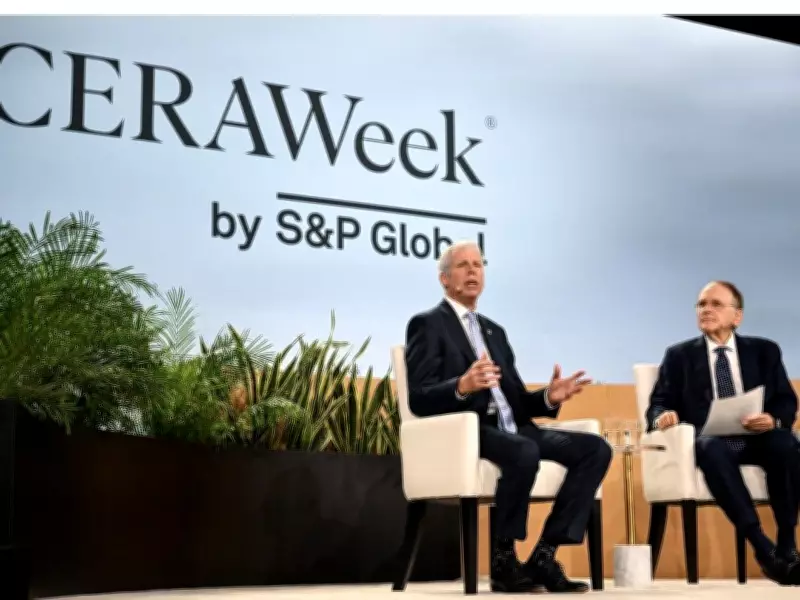
Enserva, representing Canada's energy services supply and manufacturing sectors, recently participated in CERAWeek in Houston, Texas—an event widely regarded as the "Super Bowl of Energy." This premier conference brings together the world's top energy leaders, innovators, and decision-makers to shape the future of global energy systems. The discussions at this year's gathering focused intensely on energy security, supply chain resilience, innovation, and sustainability amid growing geopolitical tensions.
Strengthening the Alberta-Texas Relationship
Enserva's primary mission at CERAWeek was to emphasize the ongoing need to fortify the Alberta-Texas relationship, which stands as one of the most significant energy corridors worldwide. With global instability disrupting oil and natural gas supply chains, democratic nations face mounting pressure to provide reliable, responsibly produced energy. This corridor has evolved from a simple trade partnership into a strategic necessity.

North America, and Canada in particular, is awakening to the realization that energy security transcends economic concerns—it has become a matter of national security. This reality is shared by many of Canada's NATO allies, who have increasingly sought secure energy partnerships in recent years.
Missed Opportunities and Future Imperatives
Over the past several years, leaders from multiple European nations have approached Canada seeking a more secure energy partner. However, Canada found itself unable to assist due to federal policies that created significant barriers to pipeline investment and development. When allies came seeking help, Canada had to turn them away despite possessing the very resources they needed.
The government of the day dismissed these opportunities by claiming there was "no business case" for pipelines. Yet hindsight reveals the clear economic and strategic value that was overlooked. Canada possesses all the elements to become a global energy superpower but has lacked the foresight to support the necessary infrastructure development, particularly pipelines to tidewater that would enable global exports.
The Backbone of U.S. Energy Imports
Canada's role extends far beyond being a simple supplier to the United States. The nation serves as the backbone of American energy imports, providing more than half of all imported crude oil. The U.S. imports over four million barrels of oil daily from Canada, with more than half a million barrels flowing directly into Texas and Oklahoma refineries. This represents a $20-billion economic relationship in the Gulf Coast region alone.
The Path Forward: Unleashing Canadian Energy Potential
Canada must act decisively to unleash its energy potential and avoid repeating past mistakes. While awaiting federal government action on promises outlined in the Memorandum of Understanding signed with Alberta—which includes commitments to new pipeline development and less punitive legislation for the energy industry—attention must also focus on strengthening existing infrastructure.
Texas emerges as a key player in this equation, not just as a market but as a strategic partner in developing resilient energy systems. The Alberta-Texas corridor represents more than pipelines and barrels of oil—it embodies a shared commitment to energy security, economic stability, and responsible resource development that benefits both nations and their global allies.
The time for hesitation has passed. As democratic nations face increasing pressure to provide reliable energy amid global uncertainty, the Alberta-Texas partnership stands ready to meet this challenge—but only if supported by forward-thinking policies and infrastructure investments that recognize its critical importance to North American and global security.