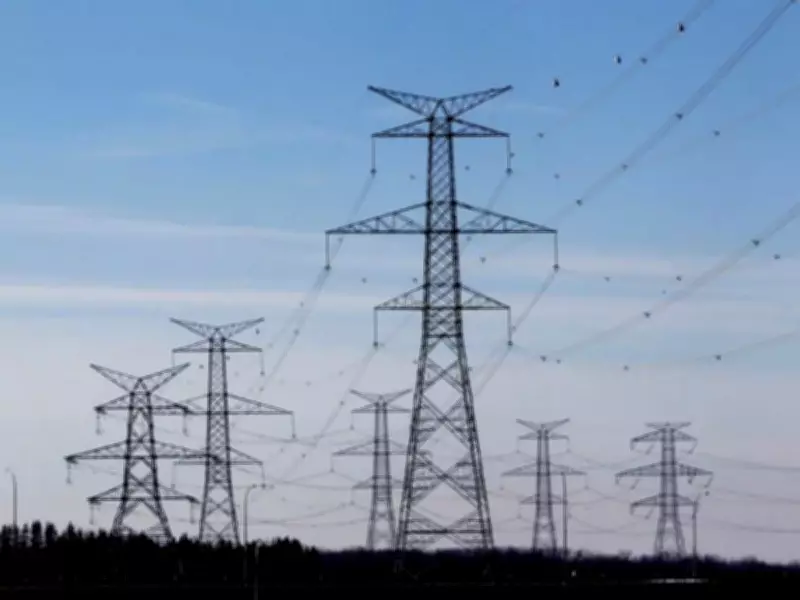
In Alberta, the reality of electricity reliability is not an abstract concept but a daily experience. Residents and businesses depend on consistent power to navigate frigid winter cold snaps and scorching summer heatwaves. This essential service often goes unnoticed until it falters, highlighting the critical need for a resilient electrical grid.
The Growing Strain on Alberta's Power System
The landscape of electricity production and consumption is undergoing rapid transformation, placing unprecedented pressure on existing infrastructure. During intense summer evenings when temperatures soar above 30 degrees Celsius, demand for electricity remains persistently high even after sunset. Air conditioning units continue to operate at full capacity, driving up power prices and straining the system. While natural gas plants contribute to supply, extreme heat can significantly hamper their operational efficiency.
Energy Storage as a Critical Solution
Energy storage emerges as a pivotal technology to address these challenges. It enables the capture of electricity generated earlier in the day, such as from solar panels, for use during peak demand periods. This capability helps smooth out consumption spikes and stabilizes the grid under the most demanding conditions. Importantly, this is not a futuristic idea but a proven solution already implemented in various regions worldwide.

With electricity systems evolving rapidly and extreme weather events becoming more frequent, system operators require enhanced tools to manage these dynamics safely and cost-effectively. Energy storage provides such a tool, offering milliseconds-fast response times to fluctuations in supply and demand.
North American Grid Reliability at Risk
Across North America, grid reliability faces mounting threats. The North American Electric Reliability Corporation (NERC) has issued stark warnings, describing current conditions as a "five-alarm fire." Electricity demand is escalating swiftly, while new generation capacity struggles to keep pace. In Alberta alone, companies representing over 20 gigawatts of data centre electricity demand have shown interest in connecting to the grid—approximately double the province's average electricity consumption.
Storage Strengthens Grid Resilience
Energy storage fortifies reliability in ways that few other technologies can match. It facilitates the integration of renewable energy sources, supports transmission and distribution infrastructure, and delivers essential grid services. Other markets are advancing rapidly; for instance, Ontario added more than 500 megawatts of grid-connected battery storage last year, effectively doubling Canada's total capacity.
Alberta's Opportunity in the Global Energy Race
Alberta is actively competing in a global race to develop electricity infrastructure quickly and affordably. The province's $400-billion economy hinges on reliable and cost-effective power. Energy storage contributes to affordability by shifting consumption to lower-cost periods, enhancing stability, and reducing long-term grid expenses.
Fifteen years ago, during a major expansion of Alberta's electricity system, cost-effective energy storage was not a viable option. Today, it is an accessible and practical solution that can deliver significant savings for consumers. By accelerating policy support and deployment, Alberta has the potential to emerge as a global leader in energy storage, ensuring a sustainable and resilient power future.