The Unlikely Connection Between Weight-Loss Medications and Airline Profits
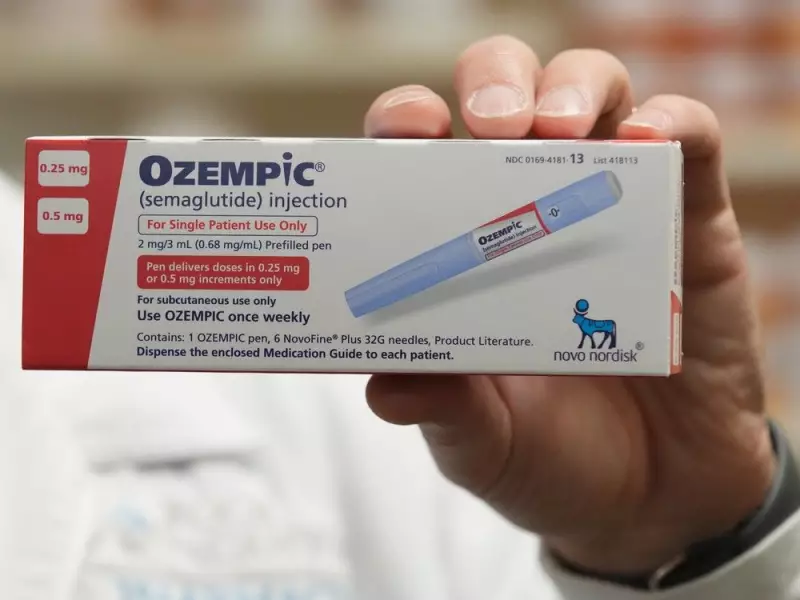
A surprising financial benefit may be emerging for U.S. airlines as weight-loss drugs like Ozempic and Wegovy gain popularity among American travelers. According to a recent equity analysis from financial firm Jefferies, the widespread adoption of GLP-1 medications could translate into significant fuel savings for major carriers through reduced passenger weight.
The Weight-Fuel Equation in Aviation Economics
Sheila Kahyaoglu, an equity analyst at Jefferies who led the study, explains the fundamental principle driving this potential windfall: "A slimmer society equals lower fuel consumption." This connection stems from basic aviation physics—lighter aircraft require less fuel to operate, and fuel represents one of the largest expense categories for airlines.
The analysis specifically examined four of America's largest carriers: American Airlines, Delta Air Lines, Southwest Airlines, and United Airlines. These airlines are projected to consume approximately 16 billion gallons of fuel in 2026 at an estimated cost of $38.6 billion.

Quantifying the Potential Savings
Using a Boeing 737 Max 8 as an example, Kahyaoglu's calculations reveal the substantial impact of passenger weight reduction. With 178 passengers averaging 180 pounds each, the aircraft's total weight including fuel and cargo would be approximately 181,200 pounds. If those passengers lost an average of 10% of their body weight—reaching 162 pounds each—the total load would decrease by about 3,200 pounds.
For the four major carriers studied, this weight reduction could translate to approximately $580 million in annual fuel savings. This projection comes as obesity rates show signs of decline, with Gallup data indicating the adult obesity rate dropped from nearly 40% in 2022 to 37% in 2025, coinciding with increased GLP-1 medication usage.
Airlines' Historical Weight-Reduction Strategies
Carriers have long pursued creative methods to reduce aircraft weight and control costs. United Airlines demonstrated this commitment in 2018 by printing its in-flight magazine on lighter paper, saving approximately $290,000 in annual fuel costs at the time. The airline has since eliminated its magazine entirely in 2024, likely generating additional savings.
Other weight-saving measures across the industry include:
- Switching to lighter beverage carts
- Replacing paper flight manuals with electronic tablets (saving 80 pounds per flight)
- Implementing various material and design optimizations
The tablet transition alone reportedly saved 576,000 gallons of fuel annually across affected carriers.
The Changing Landscape of Passenger Health
For decades, airlines faced a challenge they couldn't control: increasing passenger weight. As adult obesity rates climbed toward 40%, carriers had limited options to address this factor affecting their bottom line. The recent shift comes as GLP-1 medication usage has more than doubled in just over a year, jumping from 5.8% to 12.4% of Americans between February 2024 and 2025 according to Gallup data.
"With the drug now available in pill form and obesity rates falling, broader usage could have further implications for waist lines," the Jefferies report noted, suggesting the trend may accelerate.
Potential Offsetting Factors and Industry Response
While the fuel savings appear promising, analysts note potential offsetting effects. Sales of snacks and beverages have declined among GLP-1 users, prompting Kahyaoglu to include this important caveat in her report: "Please note savings are pre any lost snack sales."
The airlines themselves have remained silent on the findings, declining to comment on the potential financial implications of passenger weight reduction through medication use. This cautious approach reflects the sensitivity surrounding discussions of passenger weight and the complex interplay between health trends and business economics.
As weight-loss medications become more accessible in pill form and usage continues expanding, the aviation industry may witness an unexpected secondary effect of America's changing health landscape—one that could reshape fuel consumption patterns and operational costs for years to come.