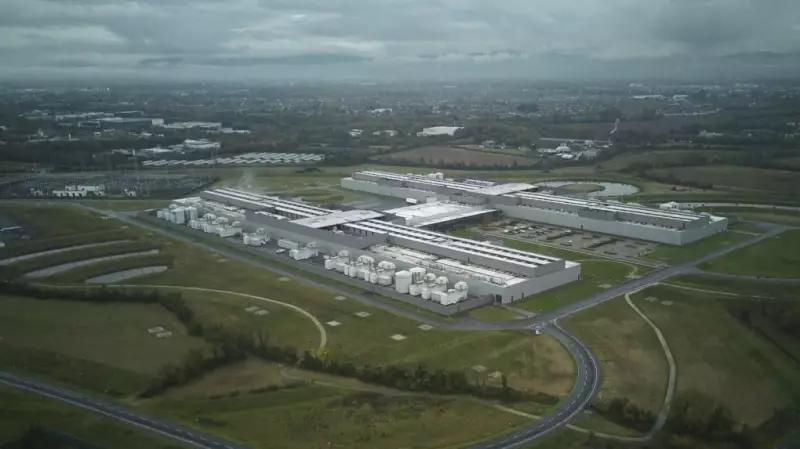
The rapid expansion of artificial intelligence is creating an unprecedented surge in electricity demand across North America, with a direct and concerning consequence for Canada's power grid. To keep up, utility companies are being forced to bring old, polluting "peaker" power plants back into service, a move that threatens to undermine environmental progress.
The Power Crunch Behind the AI Boom
AI data centres are notoriously energy-intensive, requiring massive amounts of electricity to power and cool their advanced computing hardware. This new demand is colliding with existing grid capacity, creating a significant strain. When electricity demand peaks, especially during extreme weather, grid operators must find immediate sources of additional power to prevent blackouts. Their solution, increasingly, is to turn to dormant fossil-fuel-fired "peaker" plants. These facilities are designed to spin up quickly but are often among the dirtiest and least efficient sources of electricity, typically running on natural gas or even diesel.
Environmental Setback for Clean Energy Goals
This trend represents a major setback for climate and clean air initiatives. Reactivating these plants directly increases greenhouse gas emissions and local air pollution. The situation highlights a critical challenge in the energy transition: the current pace of adding new renewable energy sources and grid infrastructure is not keeping up with the explosive growth in demand from new technologies like AI. This creates a reliance on the very fossil fuel assets the country is trying to phase out.

A Call for Smarter Grid Investment
The revival of peaker plants serves as a stark warning. It underscores an urgent need for accelerated investment in modern, clean grid solutions. Experts point to the necessity of vastly expanding energy storage, such as large-scale batteries, which can store renewable energy for use during peak times. Furthermore, significant upgrades to transmission lines are required to move clean power from where it's generated to where it's needed most. Without these critical investments, the technological advancement promised by AI could come at a steep environmental cost, locking in higher emissions for years to come as the grid struggles to adapt.
The tension between technological progress and environmental sustainability is now playing out on the Canadian electricity grid. The return of peaker plants is a clear signal that planning for the future energy needs of a digital economy must be a top priority to avoid compromising hard-won environmental gains.