

New data reveals a modest cooling in U.S. inflation for the final month of 2025, though the pace of price increases continues to outstrip the central bank's long-term goal. The figures, released in January 2026, show the persistent challenge facing policymakers as they aim to stabilize the economy.
December Data Shows Modest Improvement
The annual inflation rate for December 2025 came in at 2.8%, according to reports from January 13, 2026. This represents a slight deceleration from previous months, offering a glimmer of hope that the aggressive period of price surges is subsiding. The data indicates that while the trend is moving in the right direction, the journey back to normal is proving to be a gradual one.
Economists and market watchers had been closely monitoring this release for clues about the Federal Reserve's next moves. The 2.8% figure remains squarely above the Fed's official target of 2%, a benchmark considered crucial for long-term economic stability. This gap underscores the delicate balance the Fed must maintain between curbing inflation and avoiding a sharp economic slowdown.

The Federal Reserve's Ongoing Challenge
The persistent elevation in inflation complicates the Federal Reserve's policy pathway. For much of 2025, the central bank, under Chairman Jerome Powell, has maintained a restrictive monetary stance, keeping interest rates at multi-decade highs to dampen demand and cool prices. The December data suggests these measures are having an effect, but not as swiftly as many had hoped.
Analysts suggest that core inflation metrics, which strip out volatile food and energy prices, likely remain particularly sticky. This stickiness is often driven by sustained wage growth and high costs in services like housing and healthcare, which are slower to respond to interest rate hikes.
Implications for Consumers and the Economic Outlook
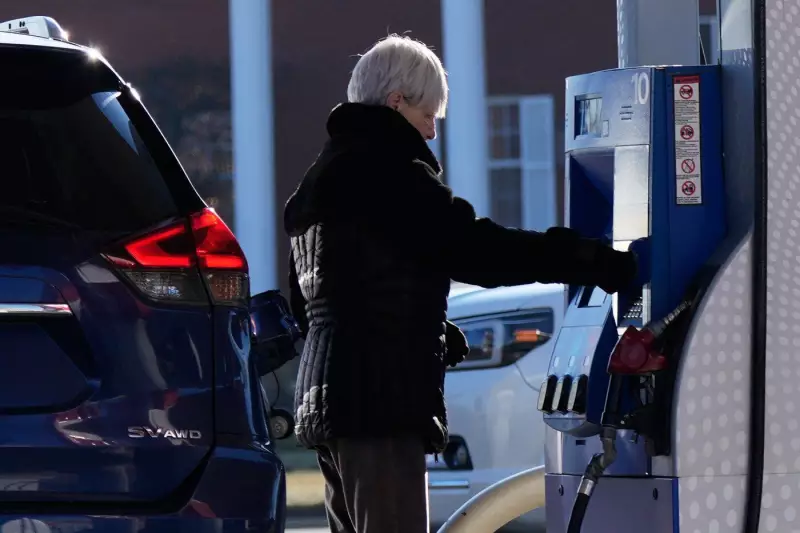
For American households, the data means relief is arriving in small increments. While the cost of filling a gas tank or buying groceries may not be rising as sharply as before, the cumulative effect of years of high inflation continues to strain budgets. The psychological impact of elevated prices also influences consumer spending behavior, a key driver of the U.S. economy.
The global economic community is watching these developments closely. As the world's largest economy, U.S. monetary policy decisions have far-reaching consequences, affecting everything from currency exchange rates to capital flows into emerging markets. The slight cooling in December is unlikely to prompt an immediate shift to rate cuts from the Fed, but it may give policymakers more confidence that their current stance is appropriate.
Looking ahead, economists will scrutinize data from the first quarter of 2026 to see if the disinflationary trend gains momentum. The path forward remains data-dependent, with the Federal Reserve expected to proceed cautiously before declaring victory in its prolonged battle against high prices.






