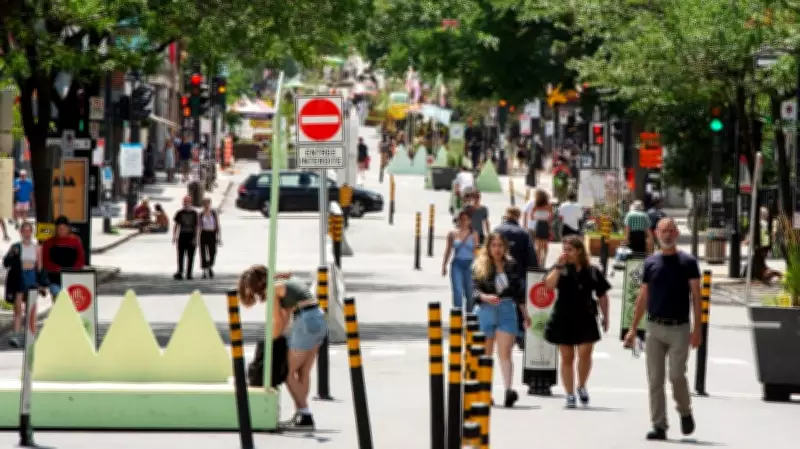
Montreal, once Canada's second-largest city, is experiencing a notable population decline. According to recent data, the city's population has shrunk for the first time in decades, raising concerns among urban planners and policymakers.
Why Is Montreal's Population Declining?
Several factors contribute to this trend. High housing costs, especially in the downtown core, have pushed residents to more affordable suburbs and other provinces. The rise of remote work has also enabled many professionals to leave the city for lower-cost areas.
Economic Factors
Economic stagnation in certain sectors, combined with high taxes, has made Montreal less attractive for young professionals and families. Job growth has been slower compared to cities like Toronto and Vancouver, prompting interprovincial migration.

Demographic Shifts
An aging population and lower birth rates are also contributing. Many retirees are leaving for warmer climates or smaller communities, while younger people delay having children.
Impact on the City
The population decline affects the local economy, housing market, and public services. Vacancy rates have risen, and some businesses face labor shortages. However, it may also ease pressure on infrastructure and reduce traffic congestion.
Government Response
Quebec and Montreal officials are exploring policies to attract and retain residents, including tax incentives, affordable housing initiatives, and investments in public transit and green spaces.
As Montreal adapts to these demographic changes, its future will depend on balancing growth with quality of life.