Montreal Gas Price Surge Threatens Food Costs Amid Global Oil Market Turmoil
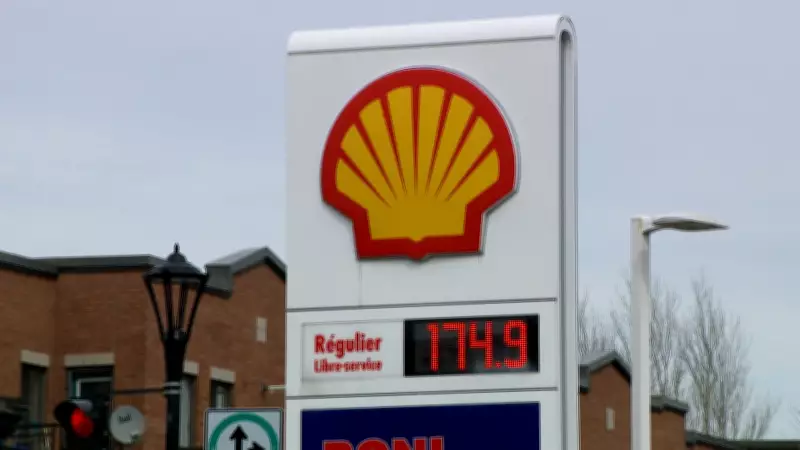
Rising gas prices in Montreal have sparked concerns among experts, who warn that food prices could follow suit as global energy markets reel from the ongoing war in Iran. This conflict has sent shockwaves through oil markets, pushing prices upward and creating a ripple effect that may soon impact grocery bills across the city.
Global Energy Markets in Flux
The war in Iran has significantly disrupted oil markets, leading to volatile price increases that are now being felt at gas pumps in Montreal. Experts explain that this turmoil is not just a temporary spike but a sustained pressure on energy costs, which could have far-reaching consequences for the economy.
Key factors driving this trend include:

- Geopolitical instability in the Middle East affecting oil supply chains.
- Increased demand for energy resources amid global tensions.
- Market speculation leading to price fluctuations.
Impact on Farming and Grocery Costs
As gas prices climb, the cost of farming operations is expected to rise, directly influencing grocery prices. Transportation of goods, a critical component of the food supply chain, relies heavily on fuel, meaning higher gas prices translate to increased expenses for moving produce from farms to stores.
Experts highlight that this could lead to:
- Higher prices for fresh produce and packaged goods.
- Increased operational costs for local farmers and distributors.
- Potential shortages if transportation becomes too costly.
This situation is particularly concerning for Montreal residents, who may already be grappling with inflation and other economic pressures.
Broader Economic Implications
Beyond food prices, the surge in gas prices could affect various sectors, including retail and manufacturing, as businesses pass on higher transportation costs to consumers. This creates a cycle of inflation that could strain household budgets across the region.
In response, some analysts suggest that policymakers might need to consider measures to mitigate these effects, such as subsidies or support for alternative energy sources. However, with the Iran war continuing to destabilize oil markets, short-term relief appears unlikely.
As Montreal faces this economic challenge, residents are advised to monitor their spending and prepare for potential increases in daily expenses. The interplay between global events and local costs underscores the interconnected nature of modern economies, where distant conflicts can have immediate impacts on community life.