

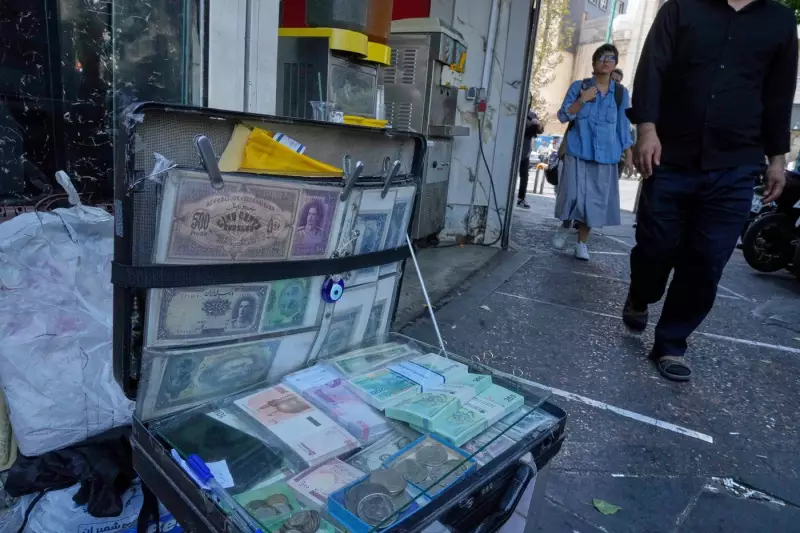
The value of Iran's national currency has collapsed to an unprecedented low, marking a grim milestone for the country's economy as international nuclear sanctions continue to exert intense pressure.
Currency in Freefall at Tehran Exchange
In the heart of Tehran's financial district, the scene at Ferdowsi square tells the story of a nation's economic distress. This location, long the primary hub for foreign currency exchange, saw the Iranian rial's value plummet dramatically. The decline was recorded on December 03, 2025, according to reports, underscoring the sustained and worsening financial strain.
Street money exchangers, who operate amidst the flow of daily commerce, displayed both current and pre-revolution Iranian banknotes, a visual testament to the country's turbulent economic history. The latest plunge adds another chapter to that ongoing narrative, driven directly by the constraints imposed by the global community.

The Weight of Sanctions on an Ailing System
The primary force behind this currency crisis is the stringent set of nuclear-related sanctions reinstated and tightened by Western nations. These measures have severely restricted Iran's ability to engage in international trade and access global financial systems, creating a critical shortage of foreign currency.
This economic isolation has squeezed the nation's already struggling economy, leading to rampant inflation, soaring prices for essential goods, and a dramatically reduced purchasing power for ordinary Iranians. The currency's fall is not an isolated statistic but a direct indicator of the profound hardship facing businesses and families.
Broader Implications and Domestic Strain
The consequences of the rial's historic drop are immediate and severe. Importers find it nearly impossible to secure goods, leading to shortages. Savings have been eroded, and economic planning for both individuals and the state has become fraught with uncertainty.
While the government has attempted various measures to stabilize the currency and control the market, the fundamental pressure from sanctions has rendered these efforts largely ineffective. The situation at Ferdowsi square is a microcosm of a national challenge, where the value of money is decided not just by policy but by the stark realities of geopolitical conflict.
This development places further strain on the Iranian administration, which must now contend with deepening economic discontent alongside its diplomatic standoffs. The path to economic recovery appears inextricably linked to resolutions on the international stage regarding its nuclear program.






