

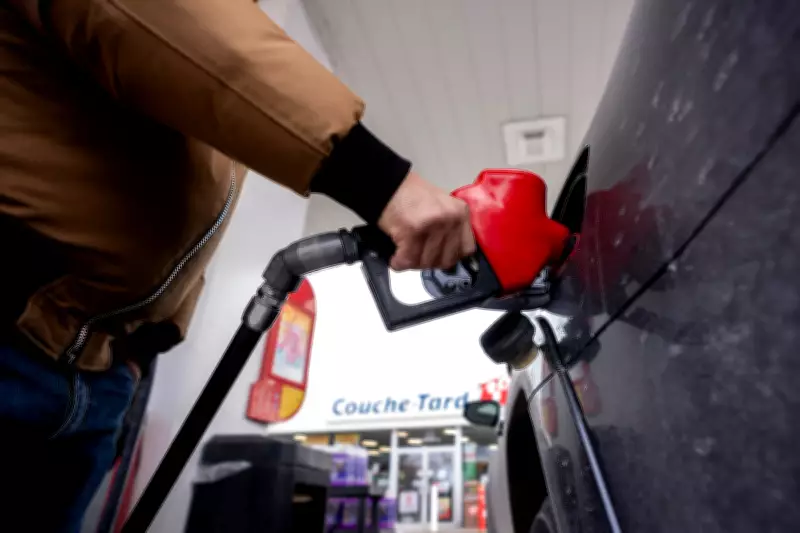
Iran War Fuels Gas Price Surge, Prompting Widespread Spending Adjustments
Rising gasoline prices, directly linked to escalating conflict in the Middle East involving Iran, are compelling Canadians from coast to coast to alter their household spending habits. The economic ripple effects are becoming increasingly palpable as consumers grapple with higher costs at the pump, forcing difficult budgetary decisions in other areas of daily life.
Mounting Financial Pressure on Household Budgets
As fuel expenses climb, many individuals and families report cutting back on discretionary purchases, delaying major acquisitions, or seeking alternative transportation methods. This shift in consumer behavior underscores the broader economic strain triggered by geopolitical instability, with analysts warning that prolonged tensions could exacerbate inflationary pressures nationwide.
The connection between international conflict and domestic fuel costs is starkly evident, with supply chain disruptions and market volatility driving prices upward. Experts note that regions heavily reliant on personal vehicles, such as suburban and rural areas, are particularly vulnerable to these fluctuations, potentially widening economic disparities.

Broader Economic Implications and Consumer Responses
Beyond immediate spending changes, the gas price surge is influencing longer-term financial planning. Some consumers are accelerating transitions to more fuel-efficient vehicles or exploring remote work options to reduce commuting expenses. Others are consolidating errands, carpooling, or utilizing public transit where available to mitigate the impact on their wallets.
Economic observers highlight that this situation mirrors past crises where external shocks rapidly translated into everyday financial challenges for ordinary citizens. The current scenario reinforces the interconnectedness of global events and local economies, with Middle East hostilities casting a long shadow over Canadian household finances.
As the conflict persists, monitoring consumer adaptation and potential policy responses will be crucial. The ability of Canadians to navigate these economic headwinds may define broader spending trends and economic resilience in the coming months, with many hoping for de-escalation to alleviate the financial burden.






