

New data from Statistics Canada confirms what many shoppers have felt at the checkout: grocery prices are rising at a pace that far outstrips overall inflation, putting significant strain on household budgets just before the holidays.
Staggering Price Hikes for Staples
The latest inflation report, released in mid-December 2025, reveals a worrying trend. While core inflation rose 2.2% in November, food inflation surged to 4.7% for items purchased from stores. This marks the largest increase since December 2023.
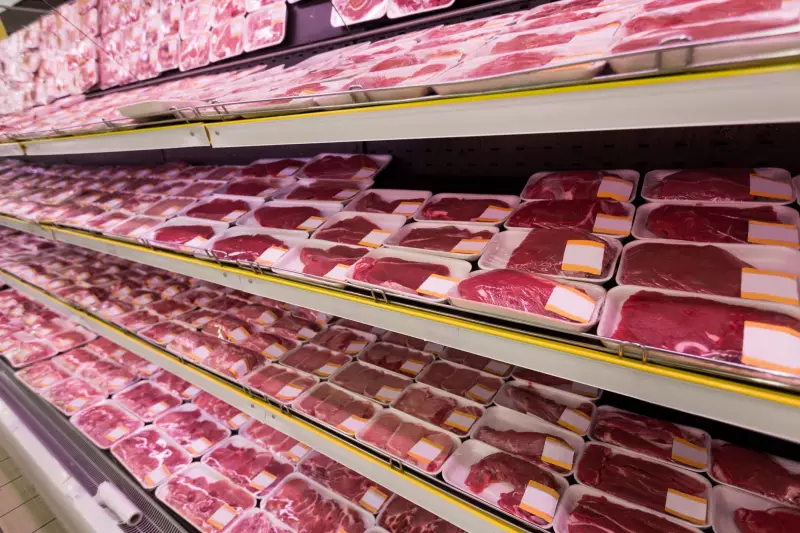
The price jumps for specific staples are particularly shocking. According to StatsCan, fresh or frozen beef prices rose 17.7% year-over-year, while coffee prices skyrocketed by 27.8%. These increases are major contributors to the overall climb in grocery costs, forcing many Canadians to reconsider their weekly shopping lists.

A Universal Concern for Voters
This economic pressure is translating into deep public anxiety. A recent Abacus Data poll found that 67% of Canadians believe the cost of living is worse than it has ever been. Furthermore, 62% say affordability should be the government's top priority, placing it 22 points ahead of healthcare as the most pressing issue.
David Coletto, CEO of Abacus Data, notes that concern over grocery prices cuts across generational and party lines. "The most widely cited concern is grocery prices, selected by 81% of Canadians," Coletto wrote. "This concern rises sharply with age... Food prices are the most universal and emotionally resonant cost because they are unavoidable and visible every week."
Structural Problems and a Grim Forecast
In response to soaring beef prices, consumers are pivoting to other proteins like chicken and pork. However, this shift in demand is now creating upward pressure on those prices as well, explained Dr. Sylvain Charlebois, a professor at Dalhousie University known as the Food Professor.
Charlebois, who recently released Canada's Food Price Report for 2026, predicts continued hardship. The report forecasts that the annual grocery bill for a family of four could reach approximately $17,500 in 2026, an increase of up to $994 from 2025.
He argues that the problem is not simple price gouging by retailers but is instead structural. Charlebois points to a combination of factors including supply chain logistics, inter-provincial trade barriers, carbon pricing, and fiscal policies as contributors to persistently high food inflation.
Over the last five years, grocery costs in Canada have leaped more than 27%, significantly above the overall inflation rate of 20% for the same period. For now, Coletto suggests the cost-of-living crisis is a "warning light rather than a red light" for the federal government, but with household finances already fragile, the political pressure is likely to intensify in the new year.






