The Edmonton Chamber of Commerce has delivered a clear-eyed assessment of the city's economic landscape, celebrating its strengths while calling for urgent action on persistent challenges that threaten future prosperity.
A City of Contrasts: Strengths and Weaknesses
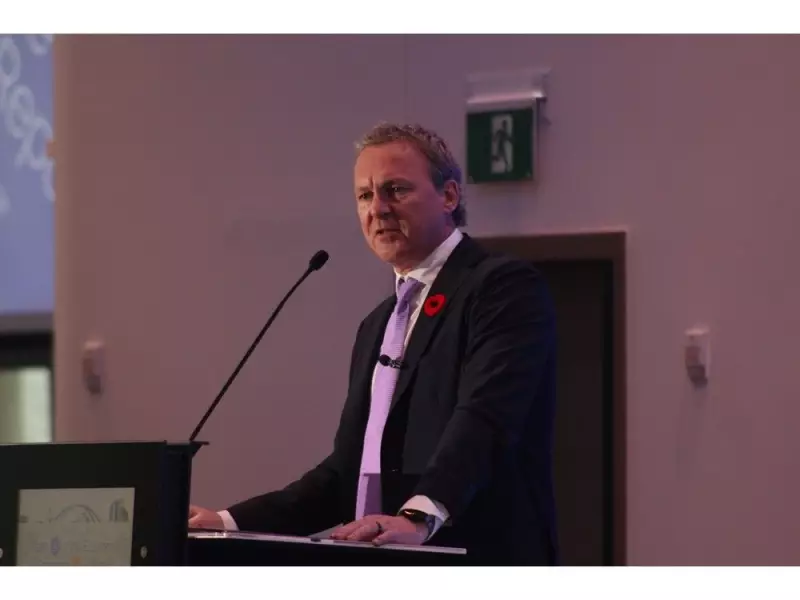
Chamber president Doug Griffiths expressed both optimism and concern during the state of the economy report presentation at the JW Marriott Hotel on Friday, November 7, 2025. "There's a magic to this place," Griffiths told attendees, while emphasizing that "We need to make the entire city richer."
Griffiths challenged Edmontonians to think beyond short-term planning and consider where the city needs to be in 25 years, not just a decade from now. The comprehensive report compared Edmonton's performance against Calgary, Halifax, Ottawa, and Winnipeg across multiple metrics including job volume, affordability, and mill rates.

Youthful Population Faces Employment Crisis
Among Edmonton's most significant advantages is hosting the youngest median age of the cities surveyed. However, this strength is countered by the troubling statistic that one in six young adults is unemployed - a problem that began five years ago as Alberta's population growth exploded.
Chamber vice-president Heather Thompson highlighted the paradox facing Edmonton's labor market. The city is grappling with both high unemployment and numerous job vacancies, creating what Thompson described as a skills mismatch, particularly in skilled trades where employers struggle to find qualified workers.
Debt and Tax Challenges Weigh on Growth
The report revealed concerning debt levels among Edmonton households. With average median debt reaching $199,300, Edmonton leads the nation in household borrowing. While much of this debt is tied to mortgages - Alberta has more homeowners than any other province - Edmonton also holds second place in mortgage delinquencies.
Thompson noted that even excluding mortgage debt, Edmontonians and Calgarians remain the highest per capita borrowers in Canada. The tax structure presents another hurdle, as a $1 million building in Edmonton would cost at least $10,000 more in property taxes than comparable properties in surrounding regions.
While businesses might initially benefit from locating outside city limits, Thompson warned this approach isn't sustainable long-term, emphasizing that the entire region depends on Edmonton's economic health.
Population Growth Outpacing Job Creation
ATB Financial chief economist Mark Parsons addressed external pressures, noting that despite ongoing trade uncertainties with the United States under President Donald Trump, the U.S. economy continues to outpace Canada's growth, partly driven by the artificial intelligence boom.
Parsons highlighted how technological advancements are eroding entry-level positions traditionally filled by young adults, exacerbating youth unemployment. With Edmonton projected to grow by approximately 30,000 people annually, Parsons cautioned that population expansion is currently outstripping job market development.
The chamber's report serves as both a celebration of Edmonton's economic foundation and a urgent call to address systemic challenges that could hinder the city's long-term prosperity and quality of life for all residents.