

Canada's economic engine is expected to shift into a lower gear next year, according to a prominent forecast. The consulting firm Deloitte projects that the nation's economic growth will slow to 1.5% in 2026, signaling a period of more modest expansion ahead.
Understanding the Forecasted Slowdown
The prediction, reported by The Canadian Press on January 07, 2026, points to a cooling economic landscape. While the economy continues to grow, the pace is anticipated to be more restrained compared to previous years. This deceleration is attributed to a combination of persistent high interest rates, which continue to dampen consumer spending and business investment, and ongoing global economic uncertainties that affect export-dependent sectors.
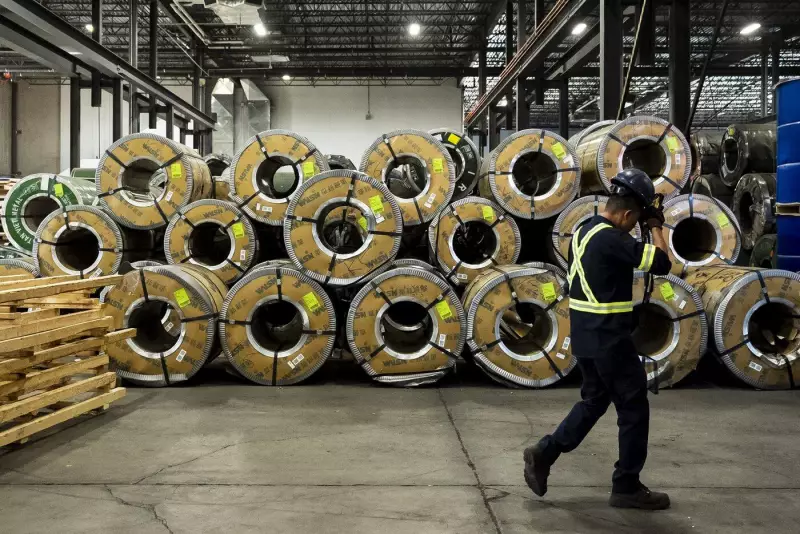
Domestically, the strain on household budgets from elevated living costs and high debt-servicing levels is expected to keep a lid on consumption. The manufacturing sector, symbolized by the stainless steel coils awaiting processing in Montreal in a photo from September 2025, faces headwinds from both softer demand and competitive international pressures.

Broader Economic Context and Sectoral Impacts
This forecast arrives amidst a complex backdrop for Canadian businesses and policymakers. The projected 1.5% GDP growth for 2026 suggests the economy will avoid a recession but will operate below its potential. Sectors tied to discretionary spending, such as retail and certain areas of manufacturing, may feel the pinch more acutely.
Conversely, industries linked to essential services, the energy transition, and infrastructure may demonstrate more resilience. The report underscores the need for businesses to adapt to a slower-growth environment by focusing on efficiency, productivity, and innovation to maintain competitiveness.
Implications for Policy and Future Outlook
The Deloitte outlook serves as a crucial data point for both federal and provincial governments as they formulate fiscal and economic policies. A slower growth trajectory could impact tax revenues and limit the scope for new public spending initiatives without careful budgetary planning.
For Canadian households, the forecast suggests a continued period of financial caution. Job growth may become more subdued, and wage increases, while potentially outpacing inflation, are unlikely to fuel a rapid acceleration in spending. The overall picture is one of stability with moderated expectations, as the economy works through the lingering effects of previous inflationary shocks and adjusts to a higher interest rate reality.
As 2026 approaches, economists and business leaders will closely monitor incoming data on inflation, employment, and trade to see if this forecast holds or if new developments alter the economic course. The Deloitte projection establishes a baseline for understanding the challenges and opportunities that lie ahead in the Canadian economic landscape.






