Oil prices dropped this week, Canada is in a technical recession, and the trade outlook with the United States remains as bumpy as skateboarding down a dirt road marred by potholes. Hopefully, the stomach-churning aspects of the journey will be smoother during the second half of the year.
Alberta's Economic Outlook
A new outlook by TD Economics forecasts Alberta's economy will expand by 2.1 per cent this year, trailing only Newfoundland and Labrador, another energy producing province. Alberta's growth rate in 2026 is expected to lag behind last year's pace of 2.8 per cent, but outdistance the projected national level of 0.7 per cent expansion.
Key Drivers of Growth
“Overall, the story is one of relative strength,” TD economist Marc Ercolao said Friday of Alberta's economic outlook. “Just given the higher prices in energy markets, that's provided a bit of a tailwind for the economy as well. So, we'd say that Alberta is basically bucking the trend a bit of the broader slowdown in national growth.”

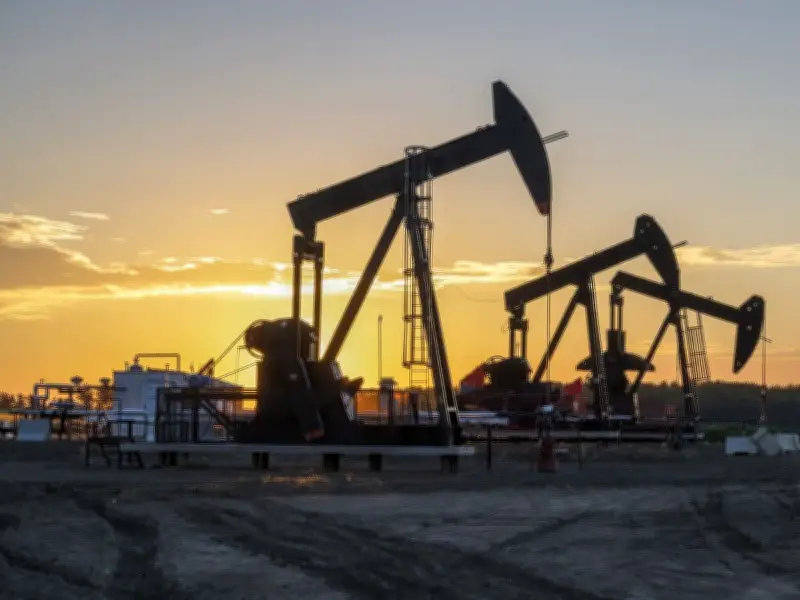
The economic outlook is supported by energy sector strength, as oil production is forecast to hit record levels this year and higher-than-expected prices will help boost corporate profits and incomes, the bank said. Oil prices surged above US$100 a barrel in April amid the war between the United States and Iran, but slipped back below $80 a barrel this week – trading Friday at $77.54 per barrel for West Texas Intermediate crude – following a tentative agreement between the countries.
Other factors are also expected to fuel the provincial economy, including increased non-residential construction activity connected with transportation, utilities, clean energy and tech developments, the bank said. This is helping offset slowing Alberta housing starts, which are projected to drop about 19 per cent to 46,100 units this year, following last year's record levels.
Employment and Population Gains
Alberta's employment is also growing well above the rest of the country, and it's not just tied to energy. In fact, as ATB Financial pointed out Friday in a report, Alberta is leading all provinces with a 3.6 per cent jump in overall employment, even though there's been a 0.7 per cent dip in jobs in the oil and gas sector so far this year.
New data this week also indicated the province posted population gains during the first quarter, adding almost 9,000 residents. It's the largest increase in the country and will help spur more economic activity, although population growth has cooled since 2024.
Challenges Ahead
Increased employment and investment is unfolding despite uncertainty facing the economy with the upcoming review of the Canada-United States-Mexico trade deal. Recent data indicates the Canadian economy contracted – on an annualized basis – during the final three months of last year and the first quarter of 2026, marking a technical recession for the country. Ercolao pointed out that other economic factors need to be considered in the recession discussion, such as the duration, depth and intensity of any economic downturn.