Crypto Traders Shift to Prediction Markets Following $150 Billion Token Crash
The cryptocurrency landscape is undergoing a dramatic transformation as traders abandon traditional token speculation in favor of prediction markets. This shift comes after a devastating market crash that wiped approximately $150 billion from altcoin values between late 2024 and 2025, marking what analysts describe as the largest extinction event in crypto history.
From Memecoins to Market Predictions
Nikshep Saravanan, a 27-year-old Canadian entrepreneur, represents this emerging trend. Previously immersed in trading memecoins and pursuing startup ventures, Saravanan now dedicates hours to prediction markets, tracking odds on everything from political outcomes to sporting events. "As I was trying to get traction without funding, the prediction-markets space started blowing up," he explained.
Saravanan has since pivoted to building HumanPlane, a platform dedicated to researching and tracking prediction markets. "Here I can do a lot more with no capital," he noted. "There's so much more interest here."

Explosive Growth in Prediction Platforms
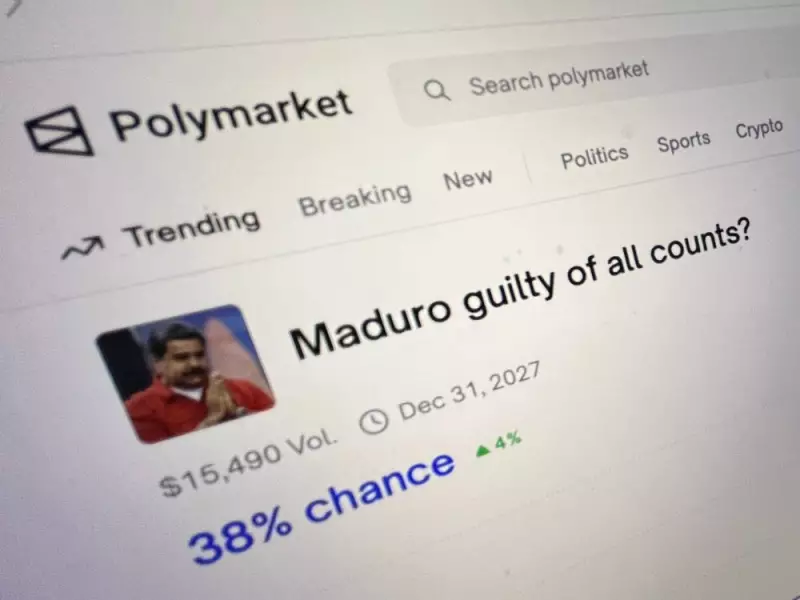
The migration from traditional crypto trading to prediction markets is reflected in staggering growth numbers. According to data from tracker Dune, weekly notional volume across platforms like Polymarket and Kalshi surged from approximately $500 million in June to nearly $6 billion by January.
This growth is particularly evident in app download statistics. While cryptocurrency exchange applications experienced significant declines throughout last year, prediction market platforms moved in the opposite direction. Market intelligence firm Sensor Tower reported that Polymarket's installs climbed from 30,000 in January to more than 400,000 by December. Kalshi's installs expanded even more dramatically, ballooning from 80,000 to 1.3 million during the same period.
The Crypto Infrastructure Paradox
Despite traders abandoning crypto's token dreams, the infrastructure supporting their new trading activities still fundamentally relies on cryptocurrency technology. On platforms like Polymarket, every critical component of trading operations, except order-matching, occurs onchain. This creates an intriguing paradox where belief-driven token speculation is cooling off while blockchain technology quietly establishes one of its most durable use cases to date.
The shift reflects both opportunity and fatigue within the cryptocurrency community. Bitcoin has declined nearly 30 percent since its October peak, with many alternative cryptocurrencies experiencing even more severe losses. The crash drained energy and attention from the broader crypto scene, creating space for prediction markets to attract the same speculative crowd with a different proposition.
Changing Trading Dynamics
Where cryptocurrency action once revolved around meme coins and protocol launches, it now increasingly focuses on interest-rate decisions, NBA games, and weather forecasts. Prediction markets offer traders a sharper, more immediate experience characterized by binary odds, real-world stakes, and faster resolution times. Unlike the multi-year roadmaps common in token projects, prediction markets provide what some describe as a dopamine loop with clear yes-or-no verdicts.
This transition has exposed deeper challenges within the token economy. More than 11 million coins effectively disappeared last year, according to CoinGecko data. Many were eliminated during October's crash, which also triggered automatic liquidations on major exchanges. The episode reinforced growing concerns about market fragility, vanishing liquidity, and platform vulnerabilities that can manifest at the worst possible moments.
While Binance, the world's largest cryptocurrency exchange, saw its downloads reduced by more than half, prediction markets continue attracting traders seeking alternatives to traditional crypto speculation. This evolving landscape suggests that while specific cryptocurrency applications may rise and fall, the underlying technology continues finding new and unexpected applications in the financial ecosystem.