WestJet Reverses Course on Seat Configuration After Customer Feedback
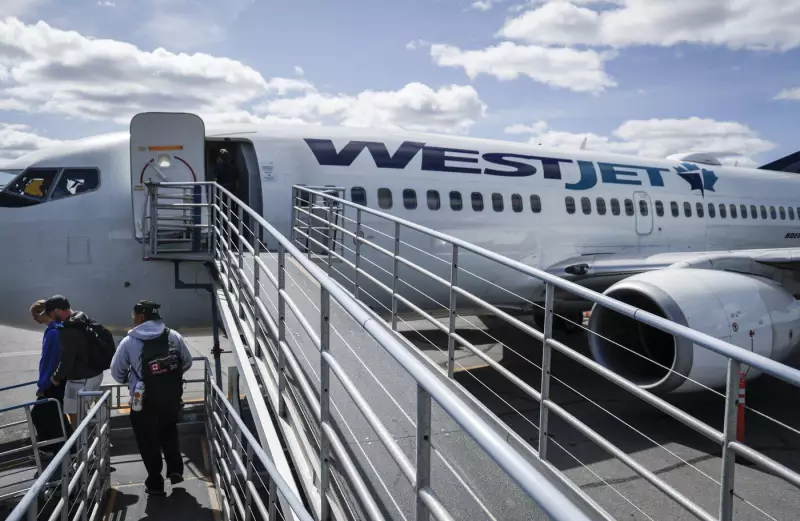
In a significant policy reversal, WestJet has announced it will no longer proceed with plans to reduce legroom on its aircraft. The decision comes directly in response to what the airline describes as "feedback" from its customer base, highlighting the growing power of passenger opinion in shaping airline operations.
The Delicate Balance Between Profit and Passenger Comfort
This development exposes the inherent risks airlines face when attempting to maximize revenue through cabin configuration changes. The aviation industry has increasingly turned to denser seating arrangements in economy class as a means to improve profitability, particularly following the financial pressures of recent years. However, WestJet's experience demonstrates that passenger tolerance for reduced personal space has limits that airlines must carefully navigate.
Industry-Wide Implications of Customer Pushback
The reversal represents more than just a single airline's policy change—it signals a broader industry challenge. Airlines worldwide have been gradually reducing seat pitch (the distance between rows) to accommodate more passengers per flight. This trend has sparked ongoing debates about:

- Passenger comfort versus airline profitability
- The long-term effects of reduced legroom on customer loyalty
- How airlines communicate changes to their service offerings
- The competitive implications of differing cabin configurations
WestJet's decision to listen to customer concerns and reverse course suggests that passenger satisfaction remains a crucial competitive differentiator in the Canadian aviation market. The airline industry operates on notoriously thin margins, making every revenue optimization opportunity tempting. However, this incident illustrates that customer backlash can force airlines to reconsider even carefully planned operational changes.
The Future of Airline Cabin Design
This development raises important questions about how airlines will approach cabin configuration in the coming years. With passenger expectations evolving and competition intensifying, carriers must balance:
- Financial pressures to maximize revenue per flight
- Growing passenger expectations for comfort and personal space
- The need to remain competitive in a crowded marketplace
- Increasing regulatory scrutiny of passenger rights and comfort standards
The WestJet reversal serves as a cautionary tale for the entire aviation industry. As airlines continue to navigate post-pandemic recovery and evolving market conditions, they must carefully weigh the financial benefits of denser configurations against potential customer dissatisfaction and brand damage. This incident demonstrates that in today's connected world, passenger feedback can quickly translate into significant operational changes, forcing airlines to maintain a delicate equilibrium between profitability and customer satisfaction.