

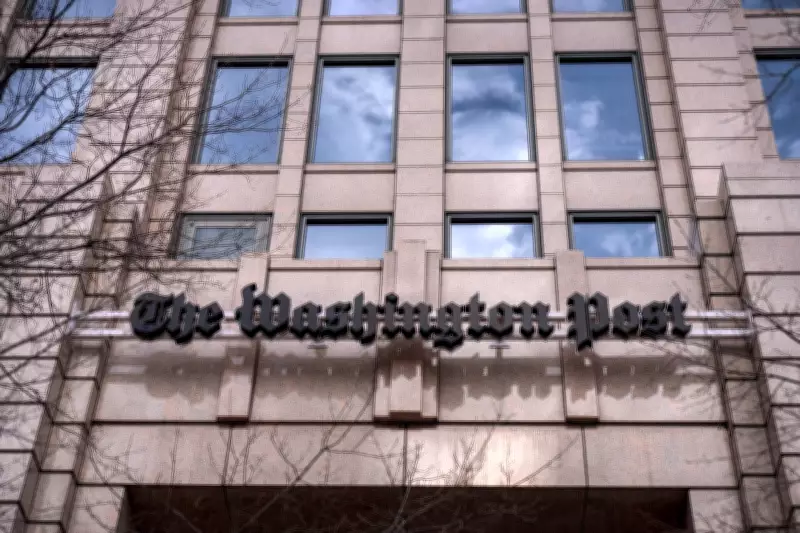
Washington Post Announces Major Staff Reductions
The Washington Post, one of America's most storied and influential news organizations, has implemented a substantial workforce reduction. The company has cut approximately one-third of its staff, a move that signals significant challenges within the legacy media landscape.
A Historic News Brand Faces Modern Pressures
This restructuring represents a profound shift for the publication that has long been considered a pillar of American journalism. The Washington Post has played a crucial role in national discourse for decades, with its reporting on Watergate cementing its reputation for investigative excellence. The current staff reductions highlight the ongoing economic pressures facing traditional news organizations as they adapt to digital transformation and changing consumer habits.
Broader Implications for Journalism
The scale of these layoffs raises important questions about the future of quality journalism and newsroom resources. As established media companies navigate declining advertising revenue and subscription challenges, such workforce reductions inevitably impact reporting capacity and institutional knowledge. The Washington Post's decision follows similar restructuring efforts across the media industry as organizations seek sustainable business models in an increasingly competitive digital environment.

Industry analysts note that while digital subscriptions have provided some relief for traditional newspapers, many organizations continue to face financial headwinds. The Washington Post's move reflects broader trends affecting newsrooms across North America, where consolidation and restructuring have become increasingly common responses to market pressures.
This development comes at a time when public trust in media remains a significant concern, and news organizations are grappling with how to maintain journalistic standards while adapting to economic realities. The reduction of approximately one-third of the Washington Post's workforce will undoubtedly reshape the organization's operations and potentially influence its editorial direction in the coming years.






