

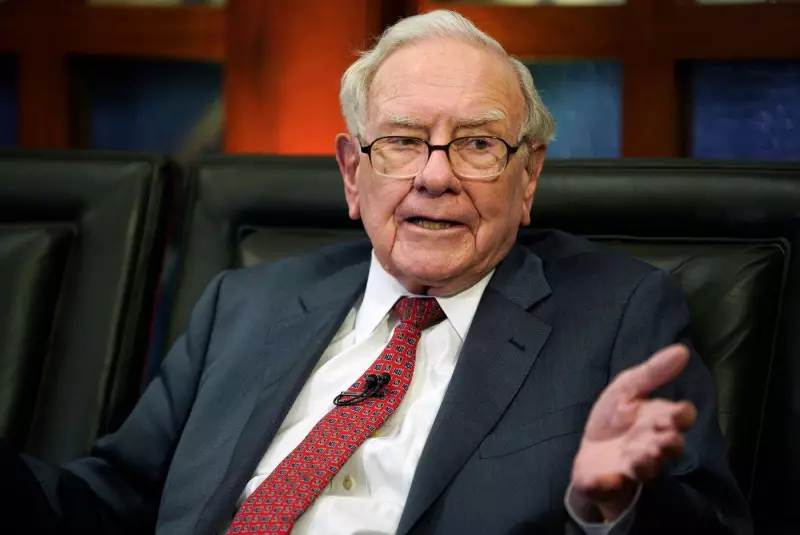
The landscape of global business and investment shifted on December 27, 2025, with the official announcement of Warren Buffett's retirement as Chairman and CEO of Berkshire Hathaway. This move concludes one of the most storied careers in financial history, leaving the multinational conglomerate without its most recognizable and trusted figurehead.
The End of an Investment Era
For decades, Warren Buffett was not just the leader of Berkshire Hathaway; he was its chief ambassador and most persuasive advocate. His folksy wisdom and unparalleled track record turned the company's annual shareholder meetings into must-attend events and made his investment letters gospel for millions. His departure removes the charismatic core around which much of the company's public image and investor confidence was built.
The announcement confirms the long-anticipated transition of power at the Omaha, Nebraska-based empire. Buffett, often called the "Oracle of Omaha," shaped Berkshire into a sprawling holdings company with major investments in insurance, energy, transportation, and consumer goods through his value-investing philosophy.

Navigating a Post-Buffett Future
The immediate challenge for Berkshire Hathaway is proving it can thrive without its legendary pitchman. While a succession plan has been in place for years, with key lieutenants like Greg Abel and Ajit Jain taking on greater responsibilities, Buffett's unique persona is irreplaceable. He cultivated an aura of trust and integrity that directly translated into shareholder loyalty and a premium for the company's stock.
Analysts will now scrutinize every move by the new leadership team. The central question is whether the "Buffett premium"—the extra value investors placed on the company because of his involvement—will endure. The conglomerate's future acquisitions and capital allocation decisions will be judged against the lofty standard he set.
Broader Implications for the Market
Warren Buffett's retirement reverberates beyond Berkshire's headquarters. He was a moral compass and a voice of reason in the financial world, often commenting on market excesses, corporate governance, and economic policy. His annual letters were a masterclass in clear business communication. His absence creates a void in the public discourse on responsible capitalism and long-term investing.
For Canadian investors, many of whom hold Berkshire stock directly or through funds, this transition is a significant moment. The company's substantial investments in sectors like energy and railways have tangible connections to the Canadian economy. The strategic direction under new management will be closely monitored for any shifts in its North American focus.
The retirement of Warren Buffett truly marks the closing of a chapter. While Berkshire Hathaway is built on a foundation of strong operating businesses, the next phase of its story will be defined by how well it can institutionalize the wisdom of its founder and convince the world that the magic was in the machine, not just the magician.






