U.S. airlines are fundamentally redesigning the travel experience to cater to their highest-paying passengers, according to a recent Associated Press report. Carriers are investing heavily in premium cabins, exclusive lounges, and personalized services to attract and retain lucrative business and first-class travelers.
Premium Focus Drives Airline Strategy
The shift reflects a broader industry trend where airlines generate a disproportionate share of revenue from a small percentage of passengers. By enhancing offerings for premium customers, airlines aim to boost profit margins amid rising operational costs. New amenities include expanded lie-flat seats, gourmet dining options, and dedicated check-in areas.
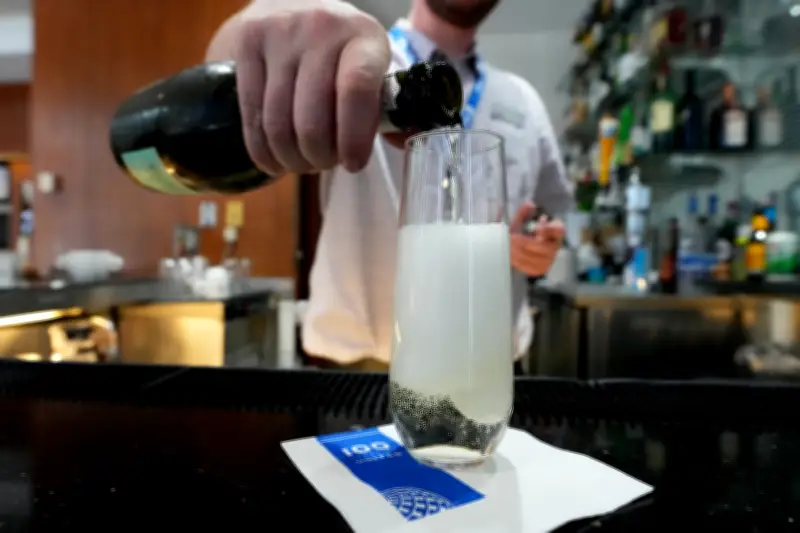
United Airlines, for example, recently unveiled upgraded United Club lounges with premium beverage services, including sparkling wine. These lounges are part of a multi-billion-dollar investment to improve the ground experience for high-value flyers.

Impact on Economy Passengers
While premium travelers enjoy enhanced services, economy passengers may face reduced legroom and fewer amenities as airlines reconfigure cabins to maximize premium seating. Some carriers have reduced seat pitch in economy to accommodate more premium seats, leading to criticism from consumer advocates.
"The airline industry is increasingly bifurcated, with a luxury experience for those who can afford it and a more cramped, basic service for everyone else," said an industry analyst quoted in the report. "This strategy risks alienating budget-conscious travelers but is driven by the financial reality that premium passengers are far more profitable."
Competition Intensifies
Major U.S. airlines including Delta, American, and United are competing fiercely for premium market share. Delta has introduced Delta One suites on long-haul flights, while American Airlines is refurbishing its Flagship First and Business lounges. The investments are paying off, with premium cabin revenue growing faster than economy class sales.
The trend is not limited to U.S. carriers; international airlines have long prioritized premium passengers. However, the scale of investment in the U.S. market marks a significant shift. Airlines are also leveraging technology to personalize the travel experience, from AI-driven seat selection to tailored meal options.
As airlines continue to redesign travel around their highest-paying customers, the gap between luxury and economy travel is expected to widen, reshaping the flying experience for millions of passengers.