

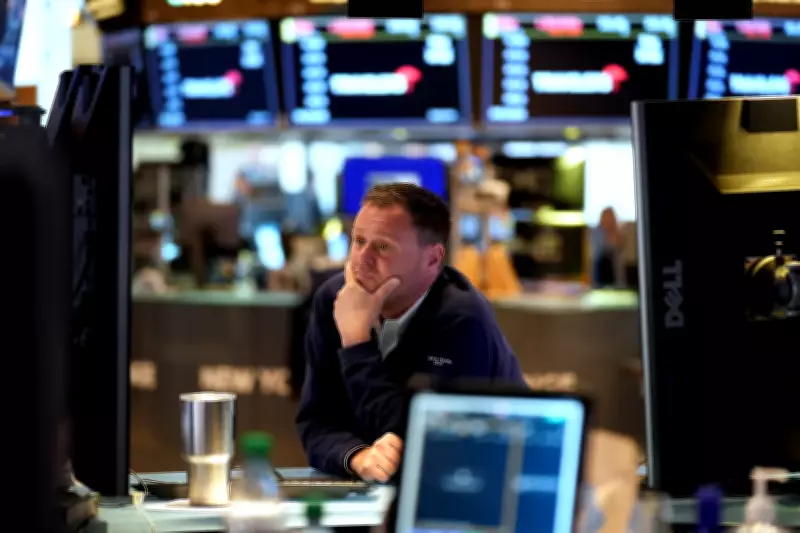
Financial markets experienced a sharp reality check this week as renewed geopolitical threats from former U.S. President Donald Trump toward Iran sent investors scrambling for safety. The warnings, which analysts describe as a significant escalation in rhetoric, have injected fresh uncertainty into an already volatile global landscape, compelling traders to rapidly adjust their portfolios toward more defensive assets.
Market Reaction to Geopolitical Tensions
The immediate response on trading floors was a pronounced flight to quality, with traditional safe-haven assets like U.S. Treasury bonds, gold, and the Japanese yen seeing increased demand. Equity markets, particularly those with exposure to energy and Middle Eastern stability, faced selling pressure as risk appetite diminished. This shift underscores how quickly investor sentiment can pivot in the face of political pronouncements that threaten international stability.
Analyzing the Investor Psychology
Market psychologists note that Trump's latest comments have acted as a catalyst, reminding participants of the fragile nature of global peace and trade. "Investors are inherently forward-looking," explained one senior strategist. "When a figure of Trump's influence makes threats that could disrupt oil supplies or trigger broader conflict, the calculus changes instantly. It's not just about the direct impact; it's about the second and third-order effects on supply chains, inflation, and corporate earnings."

The timing is particularly sensitive, coming amid ongoing discussions within OPEC+ regarding potential oil output increases. Any conflict involving Iran, a major oil producer, could severely disrupt these plans and send energy prices soaring, further complicating central banks' efforts to manage inflation.
Broader Economic Implications
Beyond the immediate market moves, economists are weighing the potential for longer-term economic consequences. Prolonged geopolitical tension could lead to increased defense spending, trade disruptions, and heightened volatility across currency and commodity markets. For businesses, this environment makes long-term planning exceptionally challenging, potentially delaying investment decisions and hiring.
Furthermore, the situation places additional pressure on policymakers worldwide. Central banks, already navigating a delicate path between controlling inflation and supporting growth, may find their tools less effective if supply-side shocks from geopolitical events drive prices higher. This scenario could force a more aggressive monetary stance, risking economic slowdown.
The Path Forward for Investors
In this heightened risk environment, financial advisors are urging clients to maintain diversified portfolios and avoid reactionary moves based solely on headlines. "History shows that markets often overreact to geopolitical news in the short term," noted a portfolio manager. "While it's prudent to reassess risk exposure, a disciplined, long-term strategy typically outperforms knee-jerk trading."
Nevertheless, the episode serves as a stark reminder that political developments remain a powerful driver of market dynamics. As one trader on the floor of the New York Stock Exchange put it, "This is a wake-up call. In today's interconnected world, a tweet or a statement can be as impactful as an economic report. Investors need to be prepared for anything."






