The Trump administration is pushing for a significant increase in the required North American content for automobiles, proposing that 82% of a vehicle's components must originate from the region, with at least half coming from the United States. This move, reported by Reuters, aims to bolster domestic manufacturing and reshape supply chains that have become increasingly globalized.
Details of the Proposal
Under the current United States-Mexico-Canada Agreement (USMCA), the threshold for regional value content is set at 75%. The new proposal would raise that to 82%, with a specific requirement that 50% of the content must be from the U.S. alone. This change is intended to incentivize automakers to source more parts and labor from within North America, particularly from American factories.
Impact on Automakers
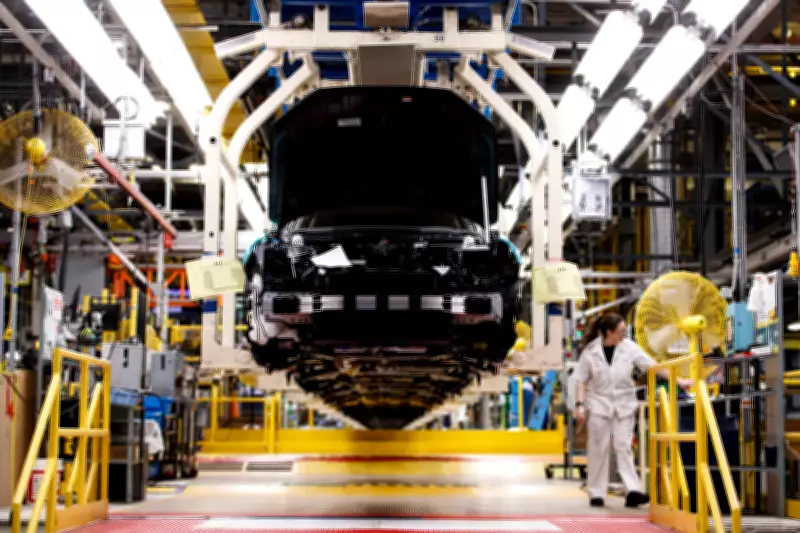
Automakers, including Honda, which operates a manufacturing plant in Alliston, Ontario, would need to adjust their supply chains to meet the stricter standards. The proposal could lead to increased costs and logistical challenges for companies that rely on parts from outside the region. However, supporters argue it will create jobs and strengthen the North American automotive sector.

Reactions and Criticism
The proposal has drawn mixed reactions. Industry groups warn that it could disrupt production and raise vehicle prices, while labor unions and some politicians praise it as a way to protect American workers. Critics also note that it may strain trade relations with Canada and Mexico, key partners in the automotive supply chain.
As the administration moves forward, further negotiations and potential adjustments are expected. The automotive industry will be closely watching how this policy evolves and its implications for the broader North American economy.