

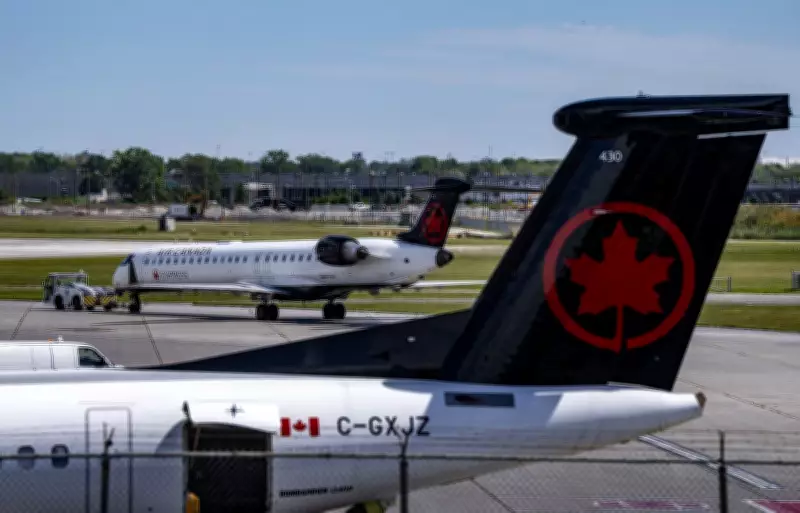
Supreme Court to Hear Landmark Case on Air Canada's Advertised Pricing Practices
Canada's highest judicial body, the Supreme Court, has agreed to hear a long-running and contentious case centered on the advertising practices of the nation's flag carrier, Air Canada. This legal dispute, which has been winding its way through the judicial system for years, fundamentally questions the transparency and accuracy of the airline's advertised pricing to consumers.
A Protracted Legal Battle Over Pricing Transparency
The case originates from allegations that Air Canada's advertised fares did not fully or clearly represent the total final cost to customers, potentially including additional fees and charges that were not prominently disclosed in initial advertisements. This practice has drawn scrutiny from consumer advocacy groups and regulatory bodies concerned with fair trade and honest marketing in the competitive airline industry.
The legal proceedings have been characterized by their duration and complexity, involving lower court rulings and appeals. The Supreme Court's decision to grant a hearing underscores the national significance of the issues at stake, which extend beyond a single corporation to touch on broader principles of corporate accountability and consumer rights in Canada's marketplace.

Implications for Corporate Advertising and Consumer Rights
The outcome of this Supreme Court case is poised to set a critical precedent for how businesses, particularly in the transportation and service sectors, advertise their prices to the Canadian public. A ruling could clarify legal standards for:
- Price Transparency: Defining what constitutes a clear and complete advertised price.
- Mandatory Fee Disclosure: Establishing requirements for disclosing all mandatory fees, taxes, and surcharges upfront in advertisements.
- Consumer Protection Law: Interpreting and potentially strengthening federal and provincial statutes designed to protect consumers from deceptive marketing practices.
For Air Canada, the case represents a significant legal and reputational challenge. As a major player in Canada's aviation sector and a publicly traded company, the court's decision could influence its future advertising strategies, compliance costs, and relationship with its customer base. The airline has previously defended its practices as compliant with industry norms and regulations.
Broader Context in Canadian Business and Law
This hearing occurs within a wider national conversation about corporate responsibility, fair pricing, and the enforcement of consumer protection laws. Regulatory bodies like the Competition Bureau of Canada monitor such practices, and this Supreme Court case may provide judicial guidance that shapes future regulatory actions and enforcement priorities.
The legal arguments will likely delve into technical aspects of advertising law, the interpretation of "all-inclusive" pricing mandates, and the reasonable expectations of consumers when viewing promotional materials. The Supreme Court's judgment will provide authoritative clarity on these matters, resolving lower court conflicts and establishing binding legal principles for similar cases across the country.
As the hearing date approaches, legal experts, business leaders, and consumer advocates will be closely monitoring the proceedings. The decision will not only conclude a specific legal dispute but will also reaffirm or redefine the standards of commercial honesty expected of corporations operating in Canada, ensuring that advertised prices reflect the true cost borne by consumers.






