

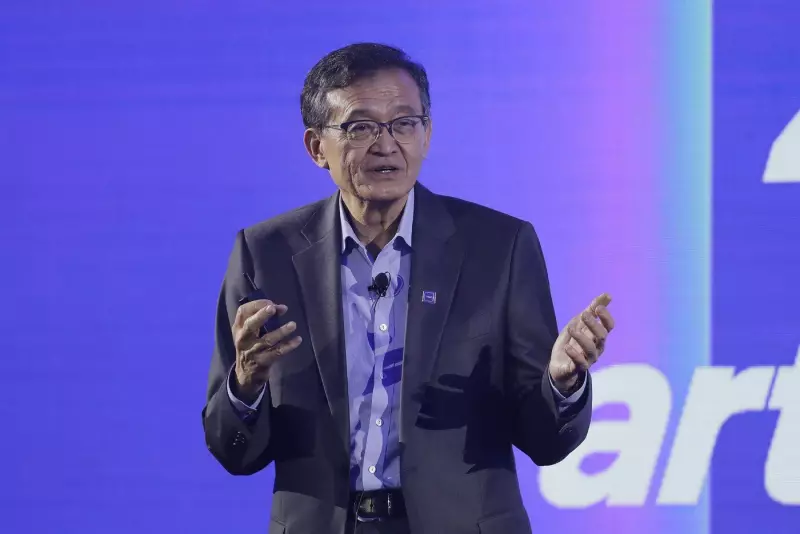
In a high-stakes move that bridged the worlds of technology and politics, a prominent Silicon Valley financier leveraged his personal rapport with former President Donald Trump to orchestrate a critical rescue for chipmaking giant Intel. The deal, finalized in late 2025, has provided the semiconductor leader with a vital lifeline amid intense global competition.
The Power Broker Behind the Deal
The architect of this strategic intervention is Lip-Bu Tan, the Chairman and CEO of Intel. Tan, a respected figure in global investment circles known for his connections in both Silicon Valley and Asia, utilized his dealmaking prowess and personal charm to navigate the complex political landscape. His direct engagement with Trump was central to aligning the former president's economic and national security priorities with Intel's urgent need for support.
The discussions culminated in a significant agreement announced in December 2025, though the precise financial terms and structural details of the lifeline were not fully disclosed in the initial report. The arrangement is understood to involve substantial commitments that bolster Intel's competitive position in manufacturing and research.

A Strategic Imperative for National Security
The push to support Intel was driven by more than just corporate interests. It tapped into broader concerns about American technological sovereignty and supply chain resilience. With the global semiconductor race intensifying, particularly with rivals in Asia, securing the future of a flagship U.S. chipmaker became a matter of strategic importance.
Tan's successful pitch to Trump reportedly framed Intel's success as integral to U.S. leadership in critical technology and national defense. This argument resonated with Trump's "America First" policy framework, creating a rare consensus point between a tech industry leader and the former president. The deal underscores how personal diplomacy can sometimes unlock solutions where traditional policy processes stall.
Implications for the Global Chip Industry
This intervention has significant ripple effects across the international semiconductor sector. By securing this lifeline, Intel gains crucial breathing room to advance its manufacturing roadmaps and invest in next-generation technologies like artificial intelligence processors and advanced packaging.
The move is likely to alter the competitive dynamics, forcing other chipmakers and nations to reassess their strategies. It also highlights the increasingly geopolitical nature of the semiconductor industry, where corporate fortunes are inextricably linked to government policy and international relations.
For Canada, which has its own ambitions in the tech and semiconductor spaces, this development serves as a case study in the high-level lobbying and strategic partnerships required to compete on the global stage. The story of how a single dealmaker charmed a political heavyweight to save an industry titan will be analyzed in boardrooms and government offices for years to come.






