Small Shipping ETF Becomes Real-Time Barometer for Iran Conflict Volatility
A relatively obscure exchange-traded fund with just $65 million in assets has transformed into one of the most sensitive financial instruments tracking the ongoing conflict between Iran and Israel, surging an astonishing 1,300% over the past year as geopolitical tensions disrupt global energy shipping routes.
Instant Market Reactions to Geopolitical Developments
The Breakwave Tanker Shipping ETF, trading under the ticker BWET, experienced dramatic volatility this week that perfectly illustrated its role as a conflict barometer. On Wednesday morning, the fund plunged approximately 13% at market open following Iran's announcement that it would permit safe passage through the Strait of Hormuz. Within hours, the ETF snapped back dramatically, surging after Iran's Revolutionary Guard reversed course and halted tanker traffic through the critical waterway in response to Israeli strikes on Lebanon.
This wild trading session captured, in just a few hours, the stark contrast between ceasefire declarations on paper and the harsh reality of a conflict that shows no signs of resolution. The fund's price has skyrocketed from around $10 per share to nearly $150 over the past twelve months, making it the best-performing U.S.-listed ETF so far in 2026.

Tracking the World's Most Critical Energy Chokepoint
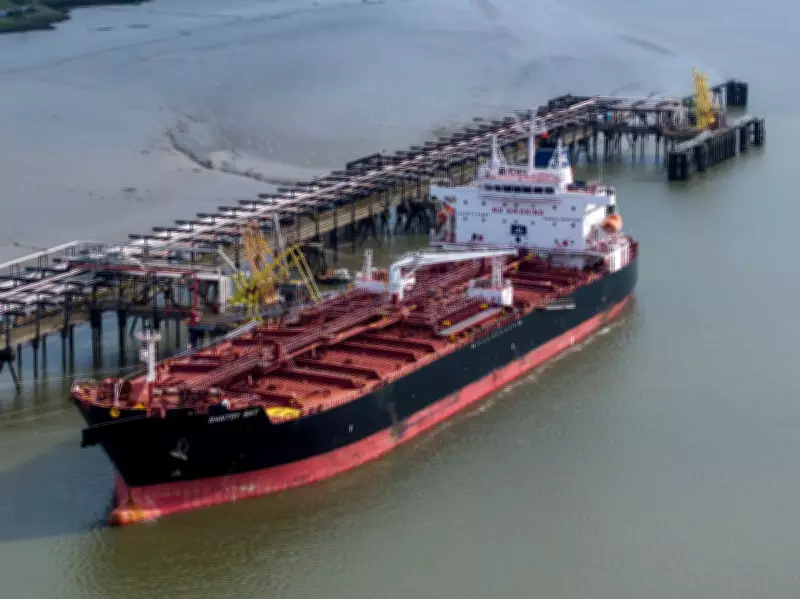
What makes BWET particularly notable isn't merely its extraordinary returns, but its function as a minute-by-minute market verdict on whether the Strait of Hormuz—the world's most critical energy chokepoint—remains open for business. Approximately 90% of the ETF's portfolio tracks the cost of shipping crude oil from the Middle East to China, with the fund holding freight futures tied to the daily cost of chartering very large crude carriers.
These massive tankers transport oil through the volatile Persian Gulf region, making their charter rates exceptionally sensitive to geopolitical developments. The fund's performance essentially serves as a real-time indicator of shipping disruptions and risk premiums in one of the world's most strategically important maritime corridors.
Prescient Analysis and Violent Market Realization
Back in January, before the current conflict escalation, Citrini Research identified precisely this investment setup. The firm argued that the real opportunity in oil markets wasn't merely crude itself but the ships that transport it, citing an aging global tanker fleet and tightening sanctions on so-called ghost vessels operating in sanctioned regions. BWET represented the largest weighting in Citrini's recommended tanker basket.
Three months later, that investment thesis has played out more dramatically than anyone anticipated. John Kartsonas, founding and managing partner at Breakwave Advisors LLC which created the fund, emphasized the instrument's direct exposure: "There is no risk mitigation. If rates decline, the fund will also decline."
Limited Investor Participation Despite Extraordinary Returns
Despite generating returns that dwarf every other U.S.-listed fund this year, BWET has attracted surprisingly limited investor interest. The ETF has drawn only about $25 million in net inflows—a mere rounding error compared to the approximately $720 million that has poured into the United States Brent Oil Fund, which has delivered only a fraction of BWET's returns.
Several factors likely explain this investor reluctance. The fund carries a substantial 3.5% expense ratio and features a complex tax structure that may deter all but the most determined speculators. Kartsonas noted that the headline fee could potentially decrease if assets increase significantly, and that the fund's use of futures leaves most assets in cash earning interest, which helps offset some costs.
Todd Sohn, chief ETF strategist at Strategas Securities, identified additional reasons for the limited inflows: "The arbitrage opportunity has largely played out and the fund is already up multiples this year, so the risk-reward from here may not be compelling. On top of that, it's a pretty niche exposure; oil is one thing, but tanker freight is a more specialized bet, which can keep broader investor flows at bay."

From Obscurity to Geopolitical Indicator
The fund began 2026 with barely $2 million in assets, operating in near-total obscurity. Today, it serves as one of the financial markets' most immediate indicators of Middle East tensions, with every ceasefire negotiation, missile strike, and shift in tanker traffic producing almost instantaneous price movements.
This transformation highlights how specialized financial instruments can become unexpected barometers of geopolitical risk, particularly when they track critical infrastructure in volatile regions. As the Iran conflict continues with no clear resolution in sight, this tiny shipping ETF will likely remain one of the most sensitive gauges of whether the world's most important energy shipping lane remains open or faces renewed disruption.