Businesses Warn Consumers Not to Expect Lower Prices After Supreme Court Blocks Trump Tariffs
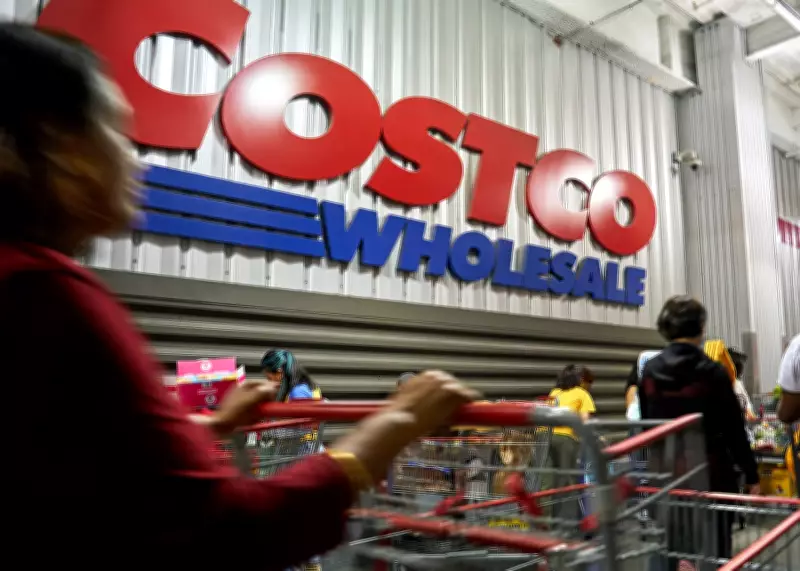
The U.S. Supreme Court delivered a significant victory to American businesses last week by blocking emergency tariffs proposed by the Trump administration. While this decision relieves immediate financial pressure on more than 1,000 companies—including wholesale giant Costco—business leaders and economic analysts are cautioning consumers against expecting corresponding price drops at checkout counters.
Why Prices Remain Stubbornly High
Despite the judicial intervention, several factors continue to sustain elevated consumer prices. Supply chain complexities that developed during the tariff threat period have created lasting logistical challenges. Many businesses had already adjusted their pricing structures and operational models to accommodate the anticipated tariff increases, and reversing these changes requires substantial time and resources.
"The Supreme Court decision prevents additional financial strain," explained one retail analyst, "but it doesn't automatically erase the existing economic pressures that have been building for months. Businesses are still grappling with higher operational costs, inventory challenges, and market uncertainties that developed in anticipation of these tariffs."

The Broader Economic Context
The tariff situation exists within a larger economic landscape where multiple forces influence pricing:
- Persistent inflation affecting raw material and transportation costs
- Labor market pressures and wage increases across multiple sectors
- Global economic uncertainties impacting international trade flows
- Consumer demand patterns that remain volatile in the post-pandemic economy
These combined factors mean that even with the tariff threat removed, businesses face numerous other cost pressures that prevent them from immediately reducing prices to consumers.
What This Means for Consumers and Businesses
For consumers, the message from the business community is clear: don't anticipate sudden price reductions at grocery stores, retailers, or service providers. The Supreme Court decision represents a preventive measure against future price increases rather than a trigger for immediate price decreases.
For businesses, particularly those in import-dependent sectors, the ruling provides crucial stability and predictability. Companies can now proceed with investment and planning decisions without the looming uncertainty of sudden tariff hikes that would have disrupted their financial projections and supply chain arrangements.
The blocked tariffs would have started at 10% with plans to increase to 15%, creating significant additional costs that businesses would have likely passed along to consumers. While that specific threat has been averted, the underlying economic conditions that support current price levels remain firmly in place.