

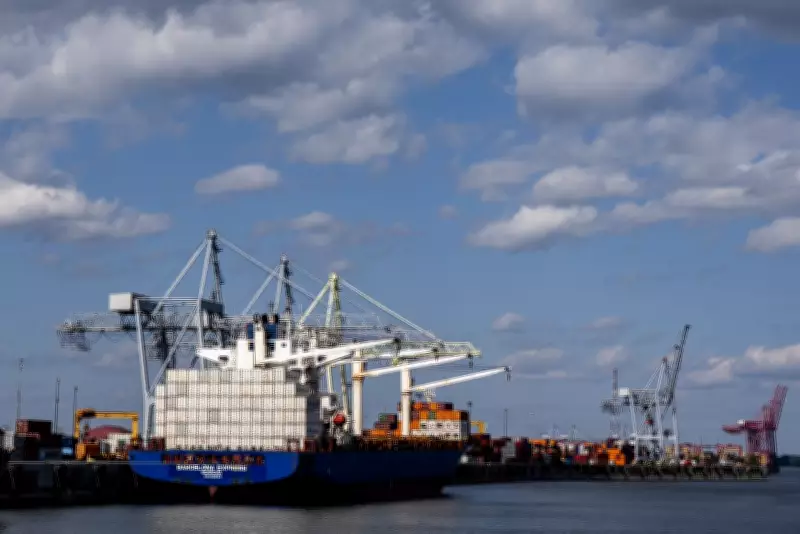
The Port of Montreal is facing mounting uncertainty as its chief financial officer becomes the latest senior executive to depart the organization, intensifying a leadership exodus that has raised serious questions about operational stability and strategic direction at one of Canada's most critical maritime hubs.
Executive Departures Signal Organizational Turbulence
This latest resignation follows a pattern of high-level exits that has been developing over recent months, creating what industry observers describe as a concerning vacuum in the port's upper management ranks. The departure of the CFO, who oversaw financial operations for Canada's second-largest port, represents a particularly significant loss given the port's complex financial structure and ongoing infrastructure investments.
Implications for Port Operations and Strategic Initiatives
The leadership vacuum comes at a critical juncture for the Port of Montreal, which handles approximately 1.6 million containers annually and serves as a vital economic gateway for Eastern Canada. With multiple major infrastructure projects underway and increasing competition from other North American ports, consistent leadership is essential for maintaining operational efficiency and strategic momentum.

Industry analysts express concern that the growing exodus of experienced executives could potentially disrupt ongoing initiatives, including modernization efforts and environmental sustainability programs that the port has championed in recent years. The timing is particularly delicate as global supply chains continue to recover from pandemic-related disruptions and adapt to new economic realities.
Broader Context of Canadian Port Governance
This situation at Montreal's port reflects broader challenges facing Canadian port authorities, which operate as financially independent entities while serving crucial public infrastructure functions. The leadership transitions raise questions about governance structures and succession planning within these vital economic institutions.
The port has not yet announced an interim replacement for the departing CFO, nor has it provided detailed information about its plans to address the growing leadership gap. This communication vacuum has only heightened concerns among stakeholders, including shipping companies, labor unions, and government partners who rely on the port's consistent operation.
Looking Forward: Challenges and Opportunities
As the Port of Montreal navigates this period of transition, several key challenges emerge:
- Maintaining operational continuity during leadership changes
- Preserving investor and stakeholder confidence
- Advancing critical infrastructure projects without disruption
- Addressing potential impacts on employee morale and retention
Despite these challenges, some industry observers suggest that leadership transitions can sometimes create opportunities for organizational renewal and fresh perspectives. The port's board of directors now faces the critical task of stabilizing the executive team while ensuring that day-to-day operations continue without interruption.
The coming weeks will be crucial for the Port of Montreal as it seeks to reassure stakeholders about its stability and strategic direction. How effectively the port manages this leadership transition could have significant implications for its competitive position within North America's maritime landscape and its ability to serve as a reliable economic engine for Quebec and Eastern Canada.






