PepsiCo Announces Significant Price Redcreases on Popular Snack Brands
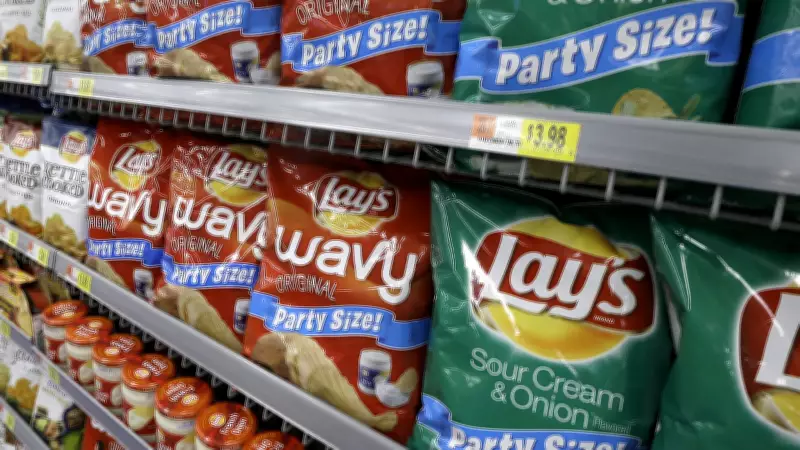
In a strategic reversal, PepsiCo has confirmed it will implement price cuts of up to 15 percent on its flagship snack products, including the iconic Lay's potato chips and Doritos tortilla chips. This decision comes as a direct response to mounting consumer dissatisfaction and pushback against a series of previous price increases enacted by the multinational food and beverage corporation.
Responding to Market Pressure and Consumer Sentiment
The company made the announcement on Tuesday, acknowledging that sustained consumer backlash has necessitated this corrective action. Over recent quarters, PepsiCo, like many in the consumer packaged goods sector, had incrementally raised prices to offset rising input costs related to ingredients, labor, and supply chain logistics. However, these hikes have increasingly met with resistance from budget-conscious shoppers who are scaling back purchases or switching to more affordable alternatives.
This price reduction initiative is focused squarely on core brands within PepsiCo's extensive Frito-Lay North America portfolio, which are considered vital to the company's market share and revenue streams. The move signals a recognition that maintaining customer loyalty in a competitive snack market is paramount, even if it means accepting narrower profit margins in the short term.

Broader Implications for the Snack Food Industry
Analysts suggest that PepsiCo's pricing shift could have ripple effects across the broader snack and consumer goods industry. Other major players may feel pressure to reevaluate their own pricing strategies to remain competitive, especially if consumers demonstrate heightened price sensitivity. The situation underscores the delicate balance companies must strike between managing inflationary pressures and retaining their customer base.
The planned price cuts are expected to roll out gradually across retail channels in the coming weeks. PepsiCo has not specified an end date for the reduced pricing, indicating it may be a medium-term strategy to rebuild consumer trust and volume sales. The company's leadership likely hopes this concession will stabilize sales figures and demonstrate responsiveness to market feedback, potentially mitigating further erosion of brand preference among cost-aware consumers.